Understanding the Basics of Homeowners Insurance Coverage
A standard Texas homeowners insurance policy includes several types of coverage, each serving a different purpose. Understanding these components helps you make informed decisions about your coverage limits.
Dwelling Coverage
Dwelling coverage is the foundation of your policy. This protects your home's structure—the walls, roof, floors, built-in appliances, and attached structures like garages. Your dwelling coverage limit should reflect the cost to completely rebuild your home, not its market value or what you paid for it.
Other Structures Coverage
Other structures coverage protects detached buildings on your property including sheds, detached garages, fences, and workshops. This coverage is typically set at 10% of your dwelling coverage automatically.
Personal Property Coverage
Personal property coverage protects your belongings—furniture, electronics, clothing, appliances, and other items inside your home. Standard policies usually set this at 50-70% of your dwelling coverage, though you can adjust it based on your actual possessions.
Liability Coverage
Liability coverage protects you if someone is injured on your property or you accidentally damage someone else's property. This pays for legal defense costs and settlements up to your policy limit.
Additional Living Expenses Coverage
Additional living expenses coverage pays for temporary housing, meals, and other costs if your home becomes uninhabitable after a covered loss.
How to Calculate Your Dwelling Coverage Needs
The most critical number in your homeowners policy is your dwelling coverage limit. Getting this wrong—especially underestimating—can have serious consequences.
Your dwelling coverage should equal the full replacement cost of your home. This is not the same as your home's market value, which includes land value and reflects what buyers will pay. Replacement cost is purely the expense of rebuilding your home from the ground up with similar materials and quality.
According to the Insurance Information Institute, many homeowners are underinsured because they confuse market value with replacement cost or haven't updated their coverage as construction costs have risen.
Factors That Affect Replacement Cost
To estimate your replacement cost, consider these factors. Construction costs in Texas generally range from $150 to $300 per square foot depending on the quality of finishes, custom features, and your specific location. A 2,000 square foot home with standard finishes might cost $300,000 to $400,000 to rebuild, while the same size home with premium finishes could exceed $500,000.
Custom features significantly increase replacement costs. Granite countertops, hardwood floors, custom cabinetry, high-end appliances, and architectural details all add to what it would cost to rebuild your home to its current condition.
Local labor and material costs matter too. Construction costs vary across Texas, and they've increased significantly in recent years due to inflation and supply chain issues. A replacement cost estimate from five years ago is likely outdated.
Getting an Accurate Estimate
The best approach is requesting a professional replacement cost estimate. Many insurance companies offer this service, or you can hire an independent appraiser. Your local insurance agents
can help you obtain accurate estimates and ensure your dwelling coverage reflects current rebuilding costs.
Factors That Affect Texas Homeowners Insurance
Several factors influence both your coverage needs and your premium costs in Texas.
Weather Exposure
Weather exposure is the biggest factor. Texas leads the nation in hail damage claims, according to the Texas Department of Insurance. Central Texas regularly experiences severe thunderstorms, hail, high winds, and occasional tornadoes. This weather exposure drives higher premiums and makes adequate coverage essential.
Home Age and Construction
Your home's age and construction affect both risk and replacement cost. Older homes may have outdated electrical, plumbing, or roofing that increases risk. However, they may also have construction quality and materials that would be expensive to replicate today.
Roof Condition
Roof condition significantly impacts your insurance. A newer roof in good condition typically qualifies for better rates, while an aging roof may result in higher premiums or coverage restrictions.
Location Within Texas
Your location within Texas matters beyond just weather. Proximity to fire stations, fire hydrant availability, local crime rates, and historical claims in your area all influence your rates.
How Much Liability Coverage Do You Need?
While dwelling coverage gets most of the attention, liability coverage is equally important for protecting your financial future.
Standard policies often start with $100,000 in liability coverage, but this is frequently inadequate. Consider what's at stake: if someone is seriously injured on your property and sues you, damages could easily exceed $100,000. Medical bills, lost wages, pain and suffering, and legal fees add up quickly.
Most insurance professionals recommend at least $300,000 to $500,000 in liability coverage. If you have significant assets—home equity, savings, investments, retirement accounts—you should consider even higher limits or adding an umbrella policy that provides additional liability protection above your homeowners policy limits.
The good news is that increasing liability coverage is relatively inexpensive. Jumping from $100,000 to $300,000 in liability coverage might only add $20-50 to your annual premium—a small price for significantly better protection.
Personal Property Coverage Considerations
Your personal property coverage protects everything you own inside your home. The standard allocation of 50-70% of dwelling coverage works for many families, but you should verify it matches your actual belongings.
Walk through your home and estimate the replacement cost of everything—furniture, electronics, appliances, clothing, sporting equipment, tools, and decorative items. Many people are surprised to find their belongings are worth $50,000 to $100,000 or more.
Coverage Limits on Valuables
Be aware of coverage limits on certain categories. Standard policies typically cap coverage for jewelry at $1,500, firearms at $2,500, and electronics at certain limits. If you own valuable items exceeding these limits, you'll need scheduled personal property coverage or a separate floater policy.
Actual Cash Value vs. Replacement Cost
Also understand the difference between actual cash value and replacement cost coverage for personal property. Actual cash value deducts depreciation—that five-year-old laptop might only pay out $200 even though replacing it costs $1,000. Replacement cost coverage pays what it actually costs to replace items with new equivalents.
Common Homeowners Insurance Mistakes to Avoid
Many Texas homeowners make mistakes that leave them underinsured or overpaying for coverage they don't need.
Insuring for Market Value
Insuring for market value instead of replacement cost is the most common error. Your home might sell for $350,000, but if it would cost $400,000 to rebuild, you need $400,000 in dwelling coverage.
Failing to Update Coverage
Failing to update coverage as costs rise leaves many homeowners underinsured. Construction costs have increased significantly, and your policy limits should keep pace. Review your coverage annually and after any major renovations or additions.
Assuming Flood Damage Is Covered
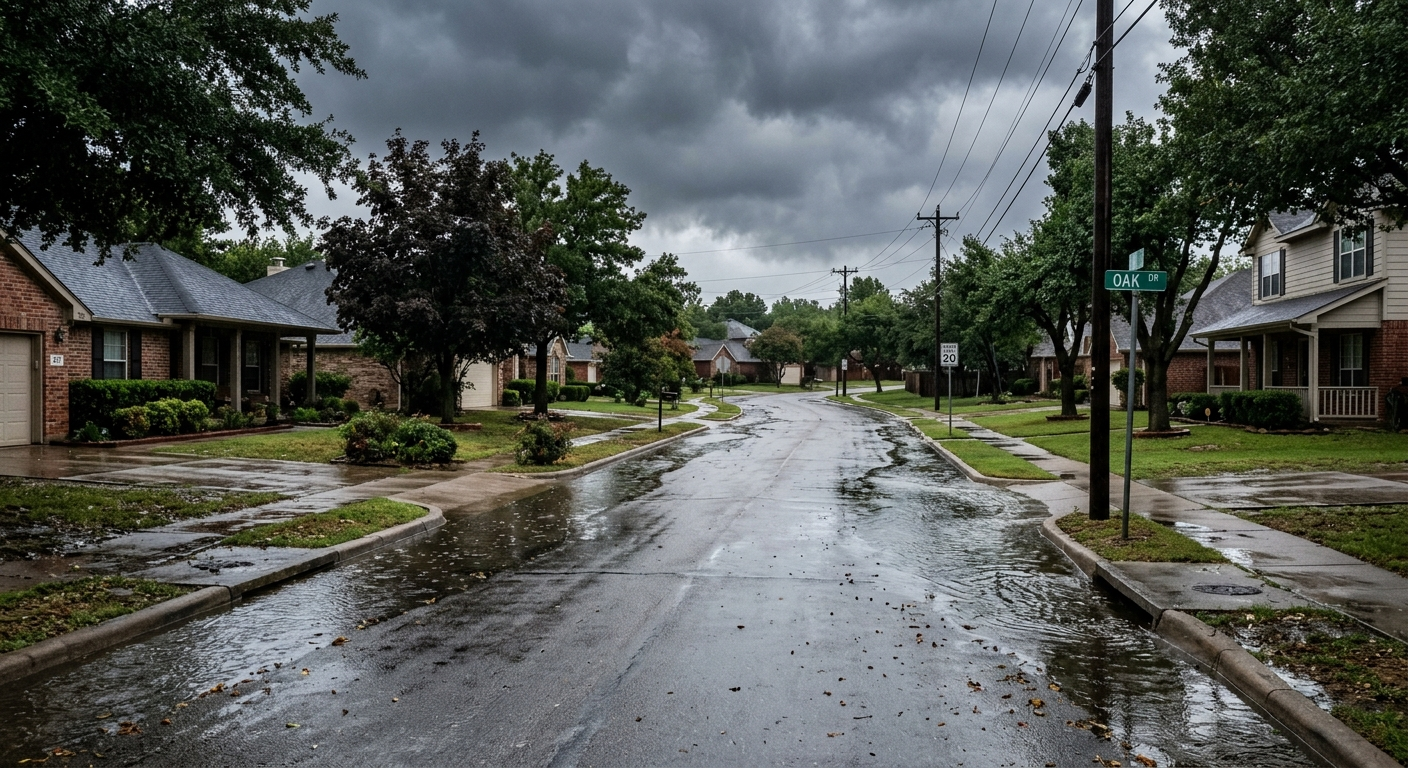
Assuming flood damage is covered is a dangerous misconception. Standard homeowners insurance never covers flood damage—you need a separate flood insurance policy. Even in Temple and Central Texas, flash flooding can occur outside designated flood zones.
Overlooking Valuable Items
Overlooking valuable items that exceed standard limits can leave expensive jewelry, art, collectibles, or equipment unprotected. Review your policy's sublimits and add scheduled coverage for valuable items.
Choosing the Cheapest Policy
Choosing the cheapest policy without comparing coverage can backfire. A policy that costs less might have coverage gaps, higher deductibles, or exclusions that leave you exposed. Work with an independent agent who can compare options and explain the differences.
How to Save on Texas Homeowners Insurance
While adequate coverage is essential, you don't have to overpay for it.
Bundle Your Policies
Bundling your homeowners insurance
with auto insurance typically saves 10-20% on both policies. This is one of the easiest ways to reduce premiums without reducing coverage.
Increase Your Deductible
Increasing your deductible lowers your premium, though you'll pay more out of pocket when claims occur. A $2,500 deductible instead of $1,000 can significantly reduce your premium—just make sure you can afford the higher deductible if needed.
Make Home Improvements
Home improvements can qualify you for discounts. Upgrading your roof, installing a security system, adding storm shutters, or updating electrical and plumbing systems can all reduce your premium.
Maintain Good Credit
Maintaining good credit helps in Texas, where insurers can use credit-based insurance scores in pricing. Paying bills on time and managing debt responsibly can positively impact your rates.
Shop Your Coverage Regularly
Shopping your coverage regularly ensures you're getting competitive rates. As an independent agency, we compare quotes from multiple carriers to find the best combination of coverage and price for your situation.
Getting Your Homeowners Insurance Coverage Right
Determining the right amount of homeowners insurance requires understanding your home's replacement cost, evaluating your liability exposure, inventorying your personal property, and identifying any gaps that need additional coverage.
The stakes are too high to guess. An uninsured or underinsured loss could cost you your home and your financial security. Take time to review your coverage carefully, ask questions, and work with an experienced agent who can help you make informed decisions.
Your home is likely your largest investment. Protecting it with the right amount of homeowners insurance gives you peace of mind knowing your family and finances are secure no matter what happens.