
Hired and Non-Owned Auto Insurance in Texas: Does Your Business Need
Hired and non-owned auto insurance in Texas: what it covers and why it matters
If your employees ever drive their own cars on company business, or if your business rents vehicles for work purposes, you have a liability exposure that your commercial general liability policy does not cover . Hired and non-owned auto insurance in Texas fills that gap, and for many small and mid-sized businesses it is one of the most overlooked coverage gaps on the books. This post covers exactly what hired and non-owned auto insurance covers, who needs it, how Texas law affects your risk, and what it typically costs.
What hired and non-owned auto insurance actually covers
The name is a mouthful, but the concept is straightforward. The policy has two distinct parts that are almost always sold together:
- Hired auto coverage protects your business when it rents, leases, or borrows a vehicle for business use. A sales manager who rents a car at Austin-Bergstrom airport for a client visit, or a contractor who leases a pickup for a short project, are typical examples.
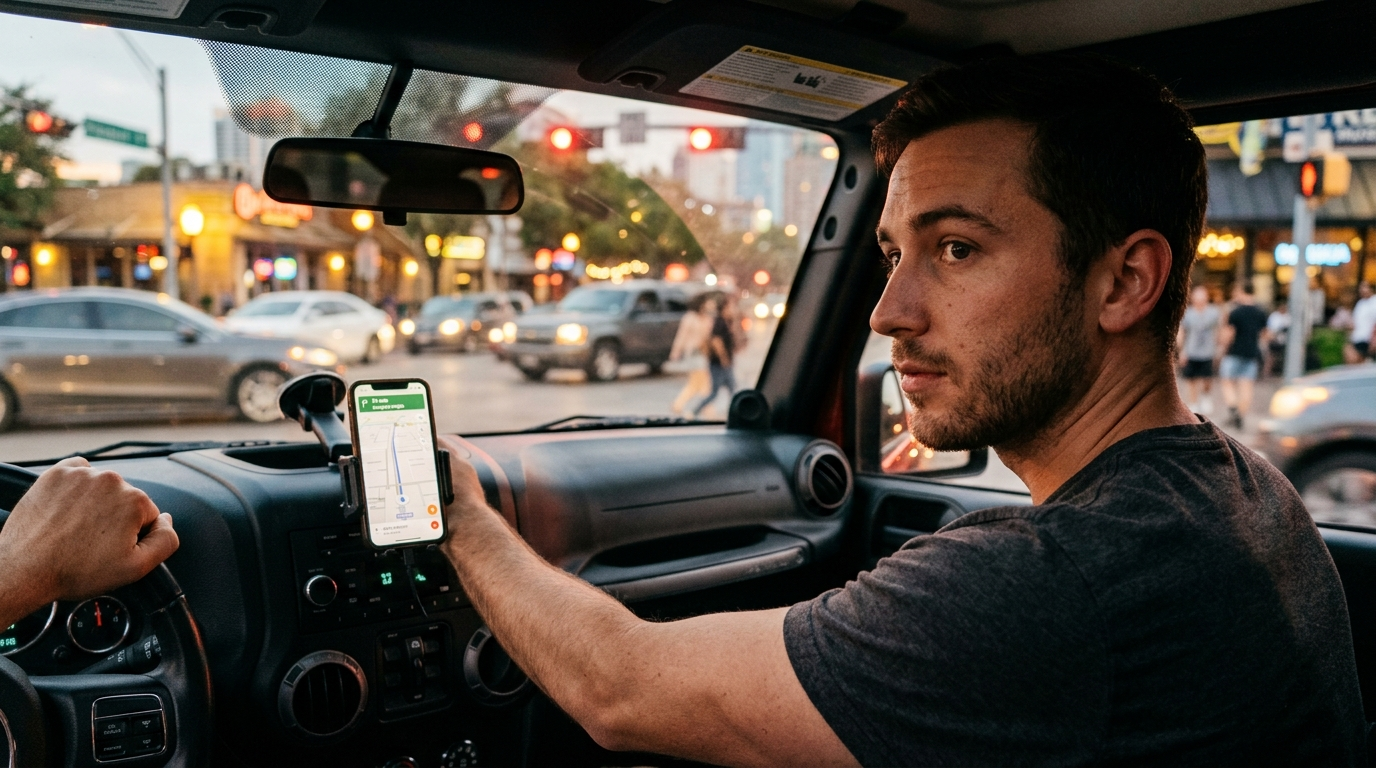
- Non-owned auto coverage protects your business when employees use their personal vehicles to perform work duties. Delivering a proposal across Killeen, running a bank deposit in Temple, or picking up supplies in Waco all fall into this category.
Both parts cover liability only in the standard form, meaning they pay for bodily injury and property damage your business becomes legally responsible for because of an accident. They do not pay to repair the vehicle itself. Physical damage to a rented car is typically handled by a separate hired auto physical damage endorsement or by the rental company's collision damage waiver.
This coverage is also not a substitute for a commercial auto policy on vehicles your business owns. If your company owns a fleet, those vehicles need to be scheduled on a commercial auto insurance policy. Hired and non-owned auto applies to vehicles you do not own but still use.
Why Texas law makes this coverage especially important
Texas follows a doctrine called respondeat superior , which means an employer can be held legally responsible for the negligent actions of an employee performing work duties. If your employee rear-ends another driver on Interstate 35 while returning from a client meeting in Belton, your business can be named in the lawsuit even if the car belonged to the employee.
Texas does not cap most personal injury verdicts, and jury awards in Central Texas and surrounding counties have climbed sharply over the past decade. A single serious accident can produce a verdict well above $500,000 or even $1 million , amounts that would destroy a small business with no coverage in place.
The employee's personal auto policy will typically respond first, but there are two problems with relying on that alone. First, Texas minimum liability limits are only $30,000 per person / $60,000 per accident / $25,000 property damage , which is rarely enough for a serious crash. Second, many personal auto carriers include exclusions or reduce coverage when the vehicle is being used for commercial purposes. If the employee's policy denies the claim or pays only a portion, the injured party can still pursue your business.
Non-owned auto liability coverage sits as a secondary layer behind the employee's personal policy, picking up where their limits run out or stepping in if their carrier disputes the claim. For a closer look at how personal and commercial auto coverages interact, see our post on commercial auto vs. personal auto in Texas.
Which businesses in Texas typically need this coverage
Almost any business with employees running errands or traveling on company business should consider hired and non-owned auto coverage. Some industries where it comes up most often:
- Restaurants and food service , delivery drivers using personal vehicles are one of the most common exposures, and standard commercial general liability policies almost universally exclude auto liability.
- Real estate and property management , agents driving clients to showings, property managers traveling between rental properties across Waco, Temple, or Killeen.
- Construction and trades , subcontractors and project managers making supply runs or attending inspections in their own trucks.
- Nonprofits and churches , volunteers using personal vehicles for events, food drives, or outreach programs.
- Professional services firms , accountants, consultants, and marketers visiting clients across Central Texas.
- Staffing agencies , placed workers who drive as part of their assigned roles.
Even businesses with just one or two employees can face this exposure. If you reimburse mileage or ask anyone to drive for work, the exposure exists.
How hired and non-owned auto fits with other commercial policies
This coverage rarely stands alone. It is most often added as an endorsement to a Business Owners Policy (BOP) or a commercial package policy, though it can also be written as a standalone policy or attached to a general liability policy.
Here is how it fits with the other policies a typical Texas business carries:
- General liability covers premises and operations liability, but explicitly excludes auto-related injuries. Hired and non-owned auto fills that auto exclusion for vehicles you do not own.
- Commercial auto covers vehicles your business owns or has titled in the company name. If you own no vehicles, you may still need hired and non-owned auto for rented and employee-owned vehicles.
- Commercial umbrella sits above your underlying policies, including hired and non-owned auto, and extends the total available limits. For businesses with significant auto exposure, a commercial umbrella policy is worth discussing alongside this coverage.
For businesses that qualify, bundling hired and non-owned auto into a BOP is usually the most cost-efficient approach and keeps administration simpler at renewal time. You can learn more about how a BOP is structured in our Texas BOP guide.
What hired and non-owned auto insurance typically costs in Texas
Rates vary based on factors like the number of employees, how frequently they drive for business, the nature of those driving tasks, and your business's claims history. Some general benchmarks to set expectations:
- Added as an endorsement to a BOP or general liability policy: often $100 to $400 per year for a small business with limited employee driving exposure.
- Standalone policy or moderate exposure: premiums can run $500 to $1,500+ per year , depending on employee count and driving frequency.
- High-volume delivery or service businesses: premiums can be significantly higher and are typically calculated based on payroll or number of employees eligible to drive.
The cost is almost always modest relative to the risk it offsets. A single accident producing a $300,000 judgment against a business with no coverage can end that business. Paying a few hundred dollars a year to prevent that outcome is generally an easy call.
Underwriters will also want to know whether you have a written vehicle use policy for employees, whether you check driving records (MVRs) at hire and periodically thereafter, and whether employees are required to carry minimum personal auto limits. Having these practices in place can reduce your premium and reduce your actual risk at the same time.
Steps to take before buying the policy
Before sitting down with an agent, it helps to pull together a few pieces of information:
- Number of employees who drive for business purposes, even occasionally.
- Frequency and nature of the driving (occasional errands vs. regular delivery runs vs. frequent client visits).
- Whether you rent vehicles and how often.
- Current personal auto limits your employees carry, if you can gather that information through a fleet policy requirement.
- Your existing commercial policies (BOP, general liability, commercial auto) so the agent can identify any gaps and avoid overlap.
You should also review your existing general liability and BOP policy declarations and exclusions before assuming you are covered. Many business owners are surprised to find that auto liability is excluded across the board, even for situations that seem clearly work-related.
Get the right coverage for your Texas business
Winkler Insurance Agency is an independent agency serving businesses throughout Central Texas, including Killeen, Temple, Waco, Belton, Harker Heights, and surrounding communities. As an independent agency, we work with multiple carriers, which means we compare options on your behalf rather than fitting your business into a single company's program.
If you are not sure whether your current commercial coverage addresses hired and non-owned auto liability, now is a good time to find out. A gap in this area can surface quickly and expensively after an accident. We are here to help you close it before that happens.
Call us at 254-771-5600 or visit our contact page to request a review of your current coverage or get a quote for hired and non-owned auto insurance in Texas. You can also explore our full range of commercial insurance options to see how different policies work together to protect your business.
Get A Quote
At Winkler Insurance Agency, securing your future is simple. Ready to protect what matters? Contact us for a quick quote!
Kelly
Speak to Kelly 24/7
Microphone ready
Start your custom insurance quote
Instant answers to your insurance questions
Schedule appointments or follow-ups
Personal Insurance
From auto and homeowners to renters and umbrella policies, we help protect your family and property. Let’s find coverage that fits your life.
Commercial Insurance
We customize policies for your industry's risks, like general liability and workers' comp, ensuring you can run your business worry-free.