Business Owners Policy in Texas: What's Covered and Why It Matters
What a business owners policy in Texas actually covers
A business owners policy in Texas bundles the two coverages most small businesses need into a single, usually lower-cost package: commercial property insurance and general liability insurance . Instead of buying two separate policies, qualifying businesses get both under one renewal date and one premium. That simplicity matters when you are already stretched thin running a shop, a service company, or a small office in Central Texas.
Below is a plain breakdown of what a BOP covers, what it excludes, who qualifies, and what you should realistically expect to pay in Texas. If you have wondered whether a BOP is enough or whether you need something more, this post addresses that directly.
The two core parts of a BOP
Every business owners policy is built on two foundational coverages. Understanding each one separately makes it easier to see the value of having them packaged together.
Commercial property coverage
This portion protects the physical assets your business depends on. It typically covers:
- Your building : if you own the space, the structure itself is covered against fire, windstorm, hail, vandalism, and other listed perils.
- Business personal property : equipment, inventory, furniture, computers, and tools inside the building.
- Business income and extra expense : if a covered loss forces you to close temporarily, this coverage replaces lost revenue and pays for temporary relocation costs while repairs are made.
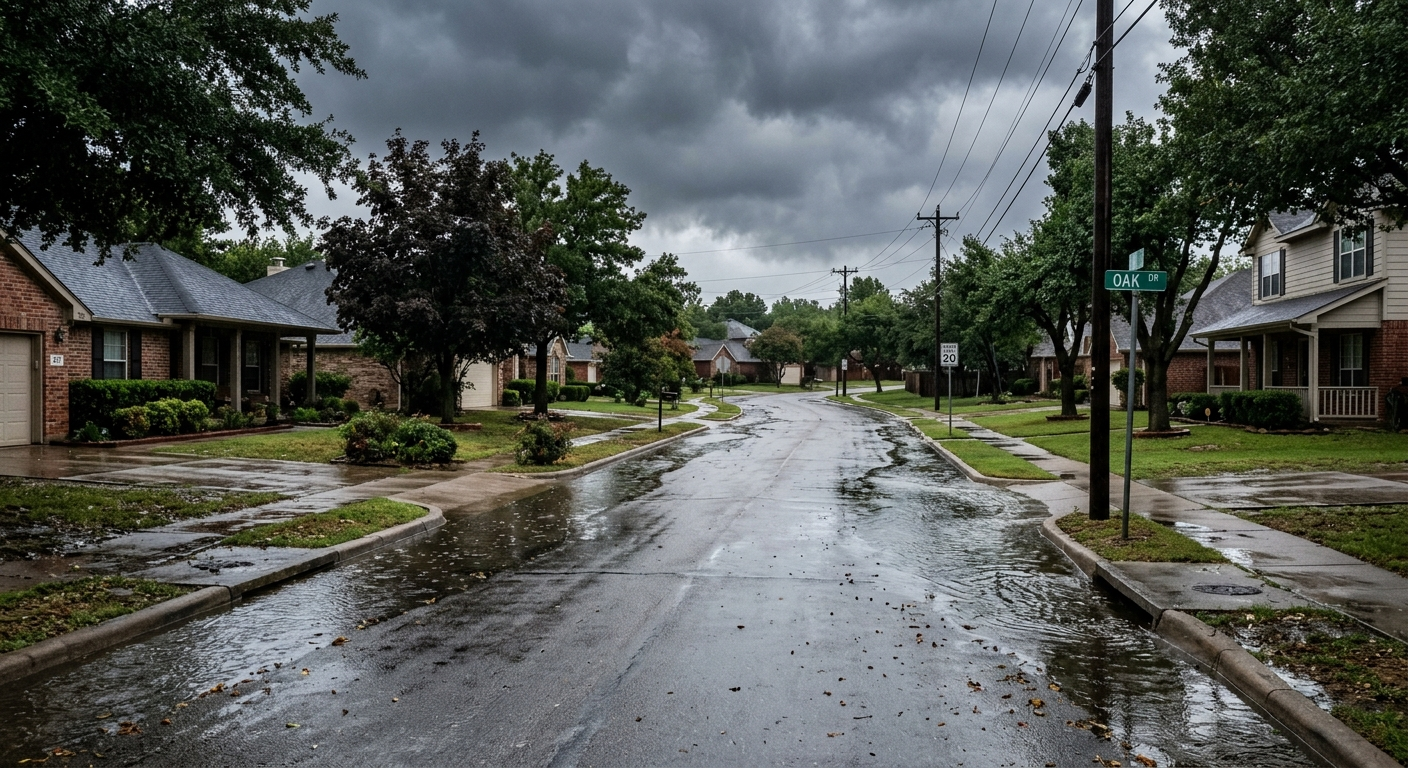
In Texas, hail and wind losses are a real concern. Waco, Killeen, Temple, and the surrounding areas sit squarely in the zone that sees severe thunderstorms every spring. A standard BOP typically includes wind and hail coverage, but confirm whether your policy carries a separate wind or hail deductible, which is common in Texas markets.
General liability coverage
This portion protects your business when a third party claims you caused bodily injury or property damage. Common scenarios include:
- Slip and fall : a customer trips on your premises and sues for medical bills.
- Property damage you cause : your employee accidentally breaks a client's equipment while on a service call.
- Advertising injury : a competitor alleges your marketing infringes on their copyright or trade name.
- Products liability : a product you sell or manufacture causes injury after leaving your hands.
Most BOP general liability limits start at $1 million per occurrence / $2 million aggregate . Texas does not mandate commercial general liability for most businesses, but landlords, general contractors, and many commercial clients will require it by contract before they allow you on a job site.
Optional coverages you can add to a BOP
A standard BOP is a starting point. Most carriers allow you to add endorsements to fill specific gaps your business faces. Common additions include:
- Cyber liability : covers costs related to data breaches, ransomware attacks, and customer notification requirements. Texas businesses that store customer payment information or health data carry real exposure here.
- Employment practices liability (EPLI) : protects against claims of wrongful termination, discrimination, or harassment by employees.
- Equipment breakdown : pays for sudden mechanical failure of boilers, HVAC systems, refrigeration units, or electrical equipment. This is not the same as wear-and-tear coverage; it applies to unexpected catastrophic failure.
- Hired and non-owned auto : if employees run errands in their personal vehicles or you rent vehicles for the business, this closes a liability gap that both your BOP and personal auto policy leave open. You can learn more on the hired and non-owned auto insurance page.
- Professional liability (errors and omissions) : for consultants, accountants, marketers, and other service providers whose advice or work product could lead to a client's financial loss. Standard BOP general liability does NOT cover professional errors.
- Liquor liability : required if you serve or sell alcohol.
Adding endorsements to a BOP is often cheaper than buying standalone policies for each of these needs, which is another reason the package approach tends to make financial sense for small businesses.
What a BOP does NOT cover
Knowing the gaps is just as important as knowing what is included. A business owners policy does not cover:
- Commercial auto : vehicles owned by the business need a separate commercial auto insurance policy. Personal auto policies exclude business use in almost every case.
- Workers compensation : Texas is the only state that does not mandate workers comp for most private employers, but that does not make the exposure disappear. If an employee is injured on the job, your general liability will not respond to that claim.
- Flood damage : standard commercial property coverage, including within a BOP, excludes flood. If your business is in or near a floodplain, this is a serious gap. Flood coverage for businesses is available through the NFIP or private markets.
- Professional errors : as noted above, advice-based mistakes require a separate professional liability (E&O) policy.
- Directors and officers liability : if your business is structured as a corporation or nonprofit with a board, D&O coverage is separate.
- Earthquake : not common in Central Texas, but worth knowing it is excluded.
Who qualifies for a business owners policy in Texas
Not every business is eligible for a BOP. Carriers use eligibility guidelines that look at revenue size, number of employees, and the nature of the business. As a general guide:
- Revenue : most carriers cap BOP eligibility at annual revenues of $5 million to $10 million. Larger businesses typically need a commercial package policy instead.
- Employee count : usually fewer than 100 employees, though this varies by carrier.
- Business type : retail shops, restaurants, professional offices, contractors, and service businesses commonly qualify. Manufacturers, auto dealers, and certain high-hazard industries often do not, or face restricted terms.
- Location : a business operating out of a single location or a small number of locations is typically better suited to a BOP than one with complex multi-state operations.
Texas businesses that commonly fit a BOP include hair salons, accounting offices, plumbing or HVAC contractors, real estate agencies, retail boutiques, restaurants, and small medical or dental offices.
What does a business owners policy cost in Texas
Texas BOP premiums vary widely. Here are realistic ballpark figures:
- Home-based or micro-businesses (freelancers, consultants, very low revenue): as low as $300 to $600 per year .
- Small retail or service businesses (a single storefront, under $500K in revenue): typically $800 to $2,500 per year .
- Restaurants : higher because of fire risk and foot traffic; often $2,000 to $5,000+ per year .
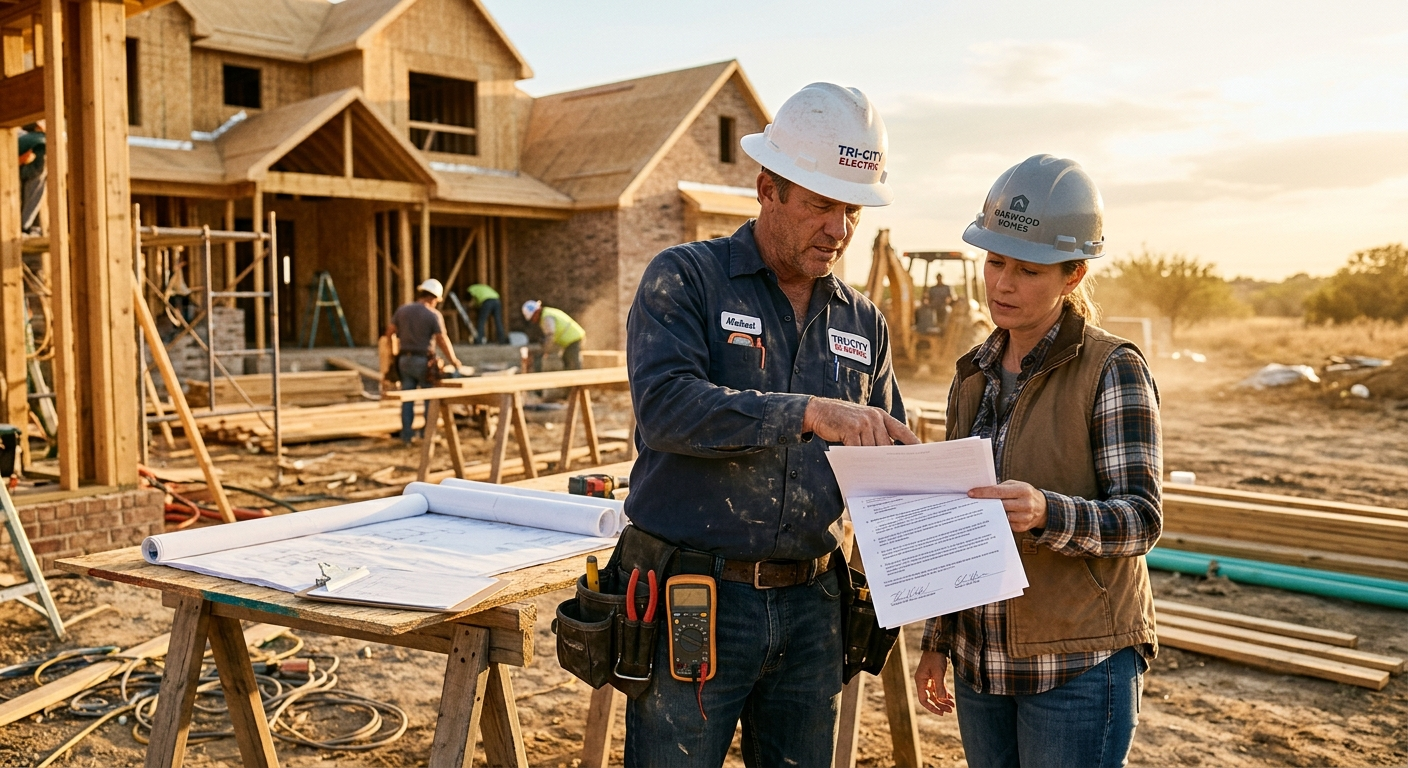
- Contractors (general, HVAC, electrical): varies heavily based on payroll and type of work. A BOP may not be the right structure if you carry significant tools and equipment on job sites.
Factors that move the price up or down include the value of your building and contents, your liability limits, your claims history, the age of the building, whether you have security and fire suppression systems, and what endorsements you add. In Texas, your county and local weather history can also factor into commercial property pricing.
Because carriers price these risks differently, getting multiple quotes through an independent agent is the most reliable way to find the best value. One carrier might charge 30% more than another for the same coverage simply because of how their underwriting model weighs your industry.
BOP vs. commercial package policy: which one do you need
A BOP is designed for small, lower-risk businesses. A commercial package policy (CPP) is built for larger or more complex operations that need more control over coverage terms, higher limits, or lines of coverage a BOP cannot accommodate.
If your business has grown, added employees, expanded locations, or taken on larger contracts that require higher liability limits, you may have outgrown a BOP. Moving from a BOP to a CPP is a normal progression. An independent agent can review your current policy and identify when it is time to make the shift before a coverage gap results in a denied claim.
Get the right business owners policy for your Texas business
At Winkler Insurance Agency, we work with multiple carriers to find a business owners policy in Texas that fits your business rather than a generic package that leaves gaps. We serve business owners across Killeen, Temple, Waco, Belton, Harker Heights, Copperas Cove, and the surrounding Central Texas communities. As an independent agency, we compare options across carriers and advocate for you, not for any single insurance company.
Whether you are opening your first business, revisiting coverage after a growth year, or simply unsure what you currently have, we are glad to walk through it with you. Visit our business owners policy page to learn more, explore our broader commercial insurance options , or reach out directly.
Call us at 254-771-5600 or contact Winkler Insurance Agency online to get a quote and talk through your coverage options with a real agent who knows Central Texas.
Get A Quote
At Winkler Insurance Agency, securing your future is simple. Ready to protect what matters? Contact us for a quick quote!
Kelly
Speak to Kelly 24/7
Microphone ready
Start your custom insurance quote
Instant answers to your insurance questions
Schedule appointments or follow-ups
Personal Insurance
From auto and homeowners to renters and umbrella policies, we help protect your family and property. Let’s find coverage that fits your life.
Commercial Insurance
We customize policies for your industry's risks, like general liability and workers' comp, ensuring you can run your business worry-free.