Off-Road Vehicle Insurance in Texas: ATVs, UTVs, and More Guide
Off-road vehicle insurance in Texas: what you need to know
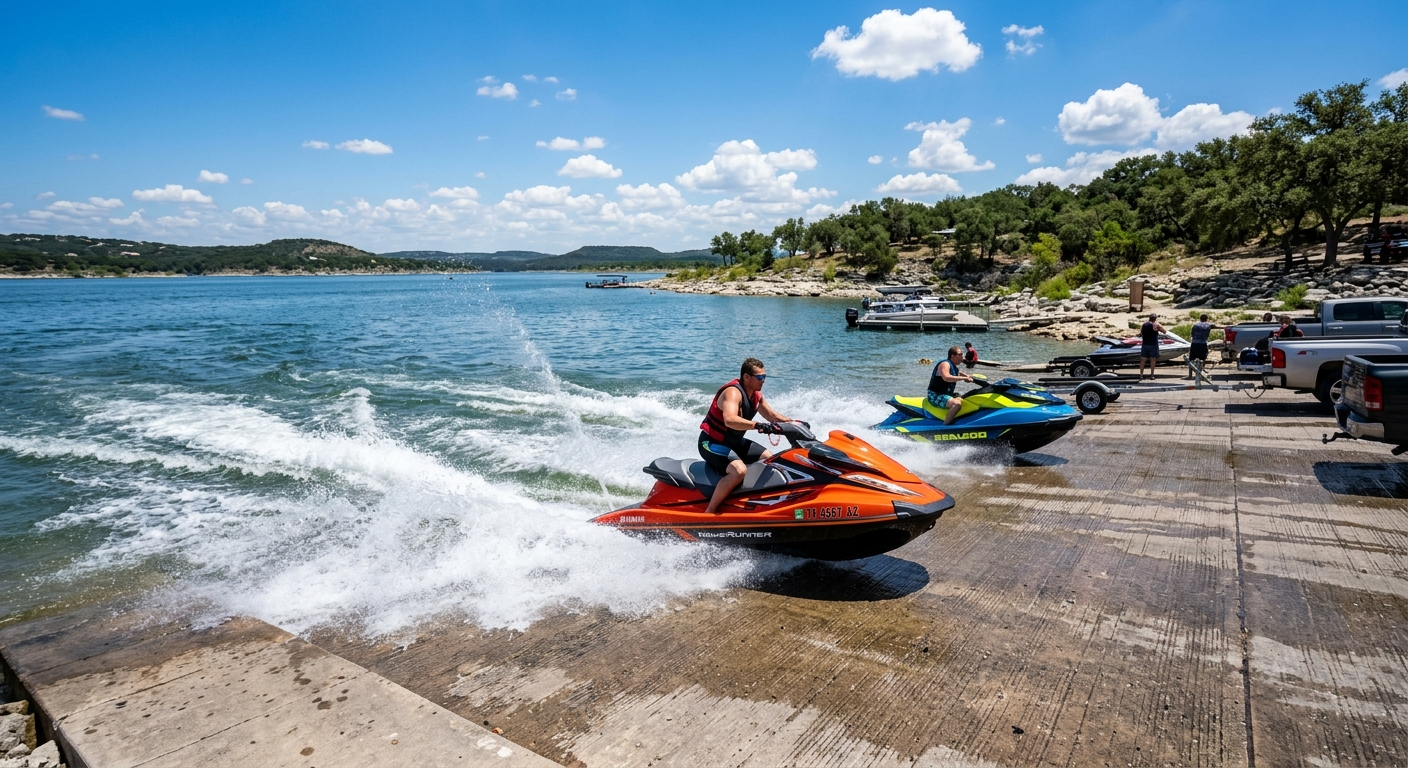
If you ride an ATV through the Hill Country, tear up trails on a UTV near Fort Hood, or cruise the back roads around Lake Belton on a side-by-side, off-road vehicle insurance in Texas is worth sorting out before the next ride. These machines are fast, they operate in rough terrain, and accidents happen. Most riders assume their homeowners or auto policy covers them. It usually does not, or it provides only the thinnest protection. This post covers what coverage actually looks like, what Texas law says, and how to avoid being left with a wrecked UTV and a five-figure repair bill.
What counts as an off-road vehicle in Texas?
Texas law defines off-highway vehicles (OHVs) under the Parks and Wildlife Code, Chapter 663. That umbrella covers several categories riders in Central Texas commonly own:
- All-terrain vehicles (ATVs) , four-wheeled, straddled, steered with handlebars, and built for off-road use.
- Utility task vehicles (UTVs) and side-by-sides , four or more wheels, side-by-side seating, a steering wheel, and typically a roll cage. Popular for ranch work and trail recreation alike.
- Recreational off-highway vehicles (ROVs) , a broader category that includes many of the same machines labeled "side-by-sides" by manufacturers like Polaris, Can-Am, and Kawasaki.
- Sand rails and dune buggies , purpose-built open-frame vehicles for sand and open terrain.
- Dirt bikes and trail motorcycles , two-wheeled, engine-powered, and built primarily for off-road riding rather than street use.
Golf carts and low-speed vehicles sometimes fall into a separate regulatory category and may have different insurance implications. If you are unsure which category your machine falls under, ask your agent before assuming anything about coverage.
Does Texas require insurance for off-road vehicles?
Texas does not require liability insurance for off-road vehicles the way it does for street-registered automobiles. If your ATV or UTV stays entirely on private land, you are not legally required to carry a policy. That said, "not legally required" is not the same as "financially safe to skip."
If you ride on public lands, state parks, or OHV parks managed by Texas Parks and Wildlife , you need an OHV decal and must follow all applicable regulations. Some organized trail systems and OHV parks in Texas also require proof of liability insurance before allowing access. And if you injure someone or damage their property while operating your vehicle, you are personally responsible for those costs without coverage.
Central Texas has a strong off-road riding culture, with families from Killeen, Temple, Harker Heights, and Belton regularly heading out to trails in the region. More riders sharing space means a higher chance that an accident involves someone other than yourself.
What off-road vehicle insurance actually covers
A dedicated off-road vehicle policy is structured similarly to an auto policy but built for trail and ranch use. Coverage typically includes these components:
- Liability , pays for bodily injury and property damage you cause to others while operating your vehicle. This is the coverage that protects you if a passenger gets hurt or you roll into someone else's equipment.
- Collision , covers damage to your own machine when it hits another vehicle or object, or rolls over. UTVs can flip on slopes and ATVs routinely hit trees, so this is not optional for most riders.
- Comprehensive , covers non-collision losses: theft, fire, vandalism, weather damage, and hitting an animal. Theft is a real concern with UTVs, which can run $15,000 to $30,000 or more and are frequently stolen from trailers and storage areas.
- Uninsured/underinsured motorist , protects you if you are hit by someone who has no insurance or not enough of it.
- Medical payments , covers medical bills for you and your passengers regardless of fault, which matters in a state where hospital bills can escalate quickly.
- Accessory and equipment coverage , many riders invest heavily in aftermarket parts: winches, lift kits, upgraded tires, light bars, and more. Standard policies cap accessory coverage low, so if you have customized your machine, your policy should reflect its actual value.
- Roadside assistance and towing , when your ATV breaks down five miles into a trail, towing is not cheap. Some policies add this as an endorsement.
Why your homeowners or auto policy probably will not help
This is what most riders discover too late. A standard homeowners insurance policy may provide a small amount of liability coverage for motorized vehicles used on the insured premises, but that protection disappears the moment you leave your property. It also typically excludes collision and comprehensive coverage for off-road vehicles entirely.
A personal auto policy is written for street-registered vehicles. An ATV or UTV that is not registered for road use is generally excluded from auto coverage, even if you haul it on a trailer behind your truck. The trailer might have limited coverage under your auto policy, but the machine loaded onto it usually does not.
If you use a side-by-side for ranch work and you accidentally knock over a neighbor's fence or a worker gets hurt, those claims fall into a gray area that a homeowners or auto policy is not designed to handle. A standalone off-road vehicle insurance policy removes that ambiguity.
Factors that affect your off-road vehicle insurance rate in Texas
Rates vary based on several things carriers weigh when pricing a policy:
- Vehicle type and value , a $5,000 ATV and a $28,000 UTV carry very different premiums. More expensive machines cost more to repair and replace.
- How you use the vehicle , recreational trail riding, ranch work, and competitive racing are rated differently. Carriers view racing as high-risk, and some will not cover it under a standard policy.
- Where you ride , private land, public trails, and OHV parks all represent different exposure levels.
- Rider experience and age , younger riders and those with limited experience typically see higher premiums.
- Coverage limits chosen , higher liability limits cost more but protect your finances far better. A serious injury claim can run into six figures, so minimum limits often leave a gap.
- Accessories and modifications , declaring aftermarket parts accurately lets your carrier know what it is insuring. Undisclosed modifications can complicate a claim.
Annual premiums for a basic ATV policy in Texas often start around $100 to $200 per year , while a fully loaded UTV policy with higher liability limits and accessory coverage can run $400 to $700 or more annually . Exact pricing depends on your specific situation and the carrier.
Riding safely and staying properly covered in Central Texas
If you ride in the Central Texas area, a few practical points are worth keeping in mind.
Texas Parks and Wildlife operates OHV areas and enforces OHV decal requirements on public land. Riding without a valid decal can result in fines. Organized trail associations often require proof of at least liability coverage before allowing access to maintained trail systems.
If you transport your machine on a trailer, check whether your auto policy extends any physical damage coverage to the trailer itself. Trailers attached to your insured vehicle may have limited coverage, but the machine on the trailer needs its own policy. It is also worth checking how your personal auto coverage interacts with the towing situation so there are no gaps if you have an accident on the way to the trail.
Riders who spend significant time on public land or participate in organized rides should consider higher liability limits. A personal umbrella policy can extend your liability protection above what your off-road vehicle policy provides, which matters if a serious accident leads to a lawsuit.
And if you own a boat alongside your UTV and use both for recreation on or around Lake Belton, it is worth reviewing your boat insurance at the same time to make sure your entire collection of recreational equipment is properly covered.
Get the right off-road vehicle coverage with Winkler Insurance Agency
Winkler Insurance Agency is an independent insurance agency serving Temple, Killeen, Belton, Harker Heights, Copperas Cove, and the surrounding Central Texas area. As an independent agency, we shop your coverage across multiple carriers to find a policy that fits how you actually ride, not a generic plan built around assumptions.
Whether you have one ATV, a fleet of UTVs for a ranch operation, or a side-by-side you haul to the trails on weekends, we can help you build the right combination of liability, collision, comprehensive, and accessory coverage. We also make sure your off-road vehicle coverage does not overlap awkwardly with your homeowners or auto policies, so you are not paying twice for protection you already have or missing coverage you assumed was there.
Call us at 254-771-5600 or get in touch through our contact page to talk through your off-road vehicle situation. We are here to make sure the next trail ride stays fun, even if something goes wrong.
Get A Quote
At Winkler Insurance Agency, securing your future is simple. Ready to protect what matters? Contact us for a quick quote!
Kelly
Speak to Kelly 24/7
Microphone ready
Start your custom insurance quote
Instant answers to your insurance questions
Schedule appointments or follow-ups
Personal Insurance
From auto and homeowners to renters and umbrella policies, we help protect your family and property. Let’s find coverage that fits your life.
Commercial Insurance
We customize policies for your industry's risks, like general liability and workers' comp, ensuring you can run your business worry-free.