Short-Term Rental Insurance in Texas: What Airbnb Hosts Need
Short-term rental insurance in Texas: why your regular policy falls short
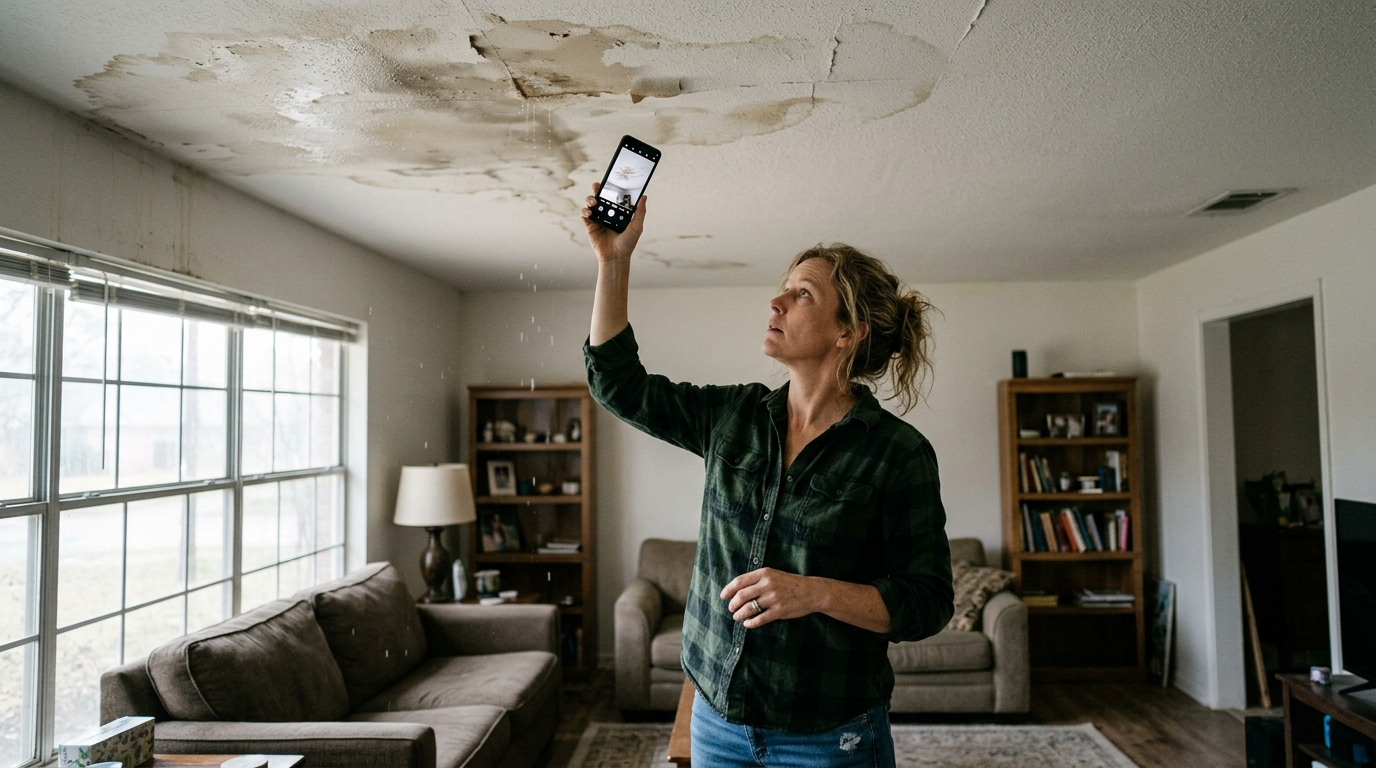
If you're renting out a home on Airbnb, VRBO, or any other platform in Texas, short-term rental insurance is something you need before your first guest checks in, not after something goes wrong. Standard homeowners policies are written for owner-occupied residences. The moment you hand keys to a paying stranger, most carriers treat that as a commercial activity and can deny a claim, cancel your policy, or both. In a state where a single hailstorm or a guest injury lawsuit can cost tens of thousands of dollars, that gap is a real problem.
What Texas homeowners policies actually exclude
Most hosts assume their homeowners policy covers them while they rent. It usually does not. Here is what a standard Texas HO-3 policy typically excludes once short-term rental activity is involved:
- Guest property damage: if a guest breaks your furniture, floods your bathroom, or starts a fire, your carrier can deny the claim on the grounds that the damage occurred during a business activity.
- Liability for guest injuries: a guest who trips on your stairs and files a lawsuit can expose you to serious financial risk. Standard homeowners liability is not designed to cover paying-guest injuries.
- Loss of rental income: if a covered event forces your property offline for weeks, a standard policy will not reimburse the booking revenue you lose.
- Theft by guests: some carriers explicitly exclude theft committed by a person you invited onto the premises, which includes paying guests.
Texas has no state law requiring platforms like Airbnb to make hosts whole for these losses. The platform protection programs (Airbnb's AirCover, VRBO's liability coverage) are helpful, but they are not insurance policies. They have gaps, claim conditions, and exclusions that most hosts never read until they file a claim.
Short-term rental insurance options available in Texas
The Texas market has grown considerably, and hosts have real options. The right structure depends on how often you rent, whether the property is your primary residence, and how much liability exposure you want to carry.
Endorsements on your homeowners policy
Some Texas carriers will add a home-sharing endorsement to your existing homeowners policy if you rent fewer than a set number of days per year, often 30 to 60 days. This is the simplest route, but not every carrier offers it, and coverage limits can be modest. If you are renting more than a few weekends a year, you have likely outgrown this option.
Short-term rental (STR) specific policies
Standalone STR policies are written specifically for properties rented on platforms like Airbnb and VRBO. They cover the structure, your personal property inside it, liability for guest injuries, and loss of rental income in one package. Companies like Proper Insurance, Slice, and a handful of specialty markets write these in Texas. Premiums typically run $1,500 to $3,500 per year depending on the home's value, location, and rental frequency, though that range shifts considerably in hail-prone Central Texas markets.
Landlord or dwelling fire policy with a short-term rental rider
If you do not live in the property at all, a landlord insurance policy or a dwelling fire policy may be the right base, with endorsements added to cover short-term rental use. This structure works well for investors who own a dedicated vacation rental and never occupy it themselves. For a closer look at how landlord policies are structured in Texas, the landlord insurance guide for Texas rental properties covers the key differences.
Commercial property and liability coverage
Hosts who operate multiple STR units or who have formed an LLC for their rental business often need commercial-grade coverage. At that scale, a personal homeowners endorsement is not enough. A commercial property policy paired with general liability can provide the limits and business-activity language that personal lines cannot.
Liability: the risk most Texas STR hosts underestimate
Property damage gets most of the attention, but liability is where the real financial exposure is. If a guest is injured on your property and hires an attorney, a jury in Bell County or McLennan County can return a verdict that exceeds the value of your home. Standard homeowners liability limits run $100,000 to $300,000 , which sounds like a lot until you factor in medical bills, lost wages, and attorney fees.
A short-term rental policy with a $1,000,000 liability limit is a reasonable floor for most Texas hosts. Some STR-specific carriers offer up to $2,000,000. If you want an extra layer beyond that, a personal umbrella policy can stack on top, though you will want to confirm with your agent that the umbrella is written to respond to STR claims specifically.
Texas is a modified comparative fault state. A guest can still recover damages even if they were partly at fault for their own injury, as long as their share of fault is 50 percent or less. That legal environment makes solid liability limits more important for anyone renting property to the public.
Location factors that affect your STR insurance cost in Central Texas
Where your rental sits in Texas directly affects what you will pay and what endorsements you will need.
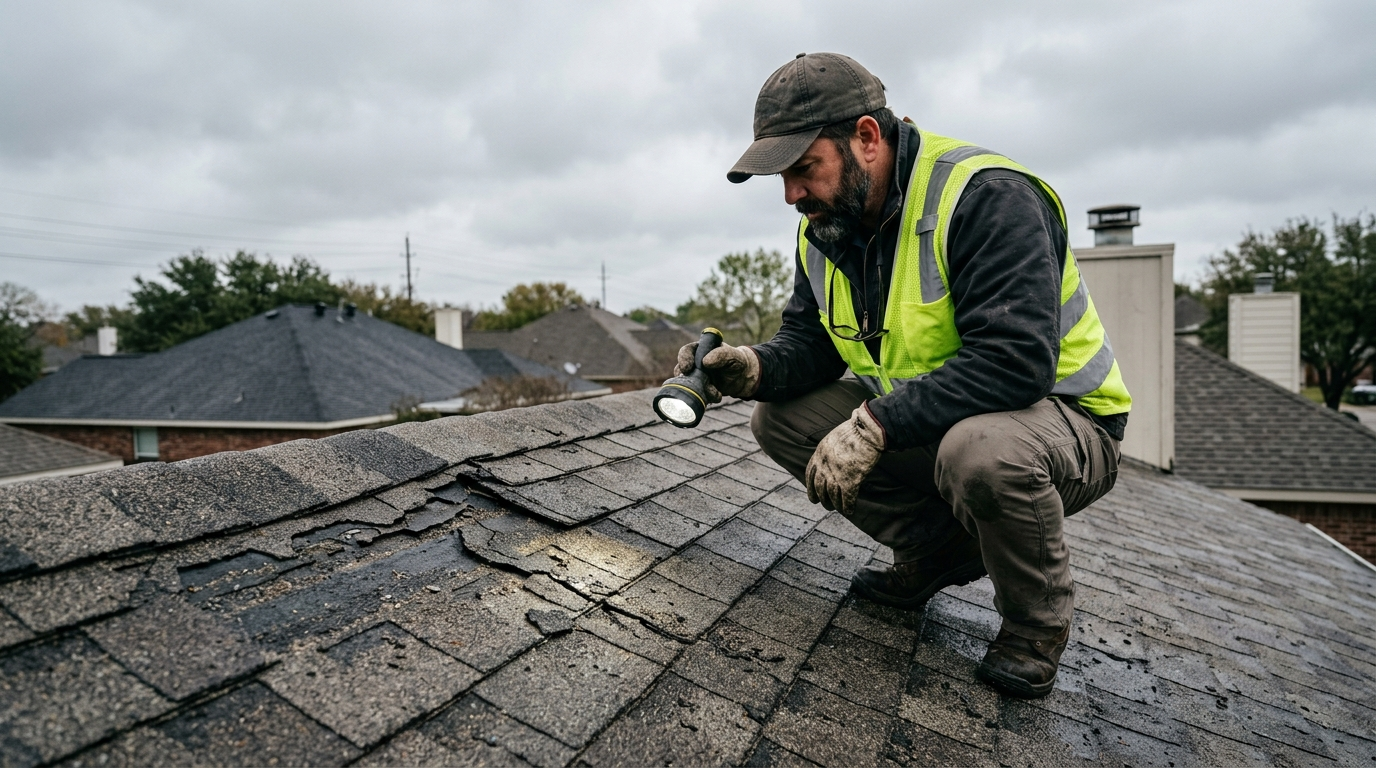
- Hail exposure: the I-35 corridor through Waco, Temple, Killeen, and Belton sits inside one of the most active hail corridors in the country. Roof age and construction type matter to underwriters here. Some carriers apply a separate wind and hail deductible, which can be 1 to 3 percent of the insured value.
- Flood risk: properties near the Brazos, Leon, or Little rivers carry real flood exposure. Standard STR policies, like standard homeowners policies, do not cover flood. You will need a separate flood insurance policy if your property is in or near a mapped flood zone.
- Urban vs. rural: a STR in a Waco neighborhood near Baylor books more consistently but also faces stricter city ordinance requirements. A lakeside cabin near Belton may have a longer claims history for wind and hail. Both situations affect your rate differently.
- Local STR regulations: some Central Texas cities and counties have registration requirements, occupancy limits, or noise ordinances for short-term rentals. A policy does not substitute for a permit, and some carriers require proof of compliance before they will bind coverage.
What to look for when comparing STR policies
Not all short-term rental policies are equal. When shopping, pay attention to these coverage features before focusing on premium:
- Replacement cost vs. actual cash value: replacement cost pays what it costs to replace a damaged item today. Actual cash value subtracts depreciation. A five-year-old sofa that costs $1,200 to replace might pay out $400 on an ACV basis. For a furnished rental, that difference adds up fast.
- Loss of rental income trigger: some policies pay lost income only after a covered physical loss to the structure. Others include loss of use if you are forced to cancel bookings for a covered reason. Read the trigger language carefully.
- Guest theft sublimit: many policies cap the amount they will pay for items stolen by a guest well below your total contents limit. Know that sublimit before you stock the property with electronics or valuables.
- Medical payments coverage: separate from liability, this pays minor medical bills for injured guests without requiring a lawsuit. Even a low limit like $5,000 can resolve a minor injury before a claim turns adversarial.
- Business property: if you keep equipment at the property for your rental operations (a smart lock system, lawnmowers, cleaning supplies), confirm whether those items are covered under the personal property section or excluded as business property.
Steps to get properly covered before your next guest arrives
If you are already renting and do not have an STR-specific policy in place, the process of correcting that is straightforward:
- Call your current homeowners carrier. Find out whether your policy excludes short-term rental activity and whether an endorsement is available. Get the answer in writing.
- Gather your rental data. Underwriters will ask how many days per year you rent, your average occupancy rate, your gross rental income, and your platform(s). Having this ready speeds up the quoting process.
- Assess your liability needs. Consider the value of the property, the nature of the guests you attract, and any amenities that increase risk (pools, hot tubs, fire pits, kayaks). Higher-risk amenities sometimes require higher minimum limits or specific exclusions.
- Compare at least three quotes. The STR insurance market is still developing, and pricing varies more than in standard homeowners insurance. An independent agent with access to multiple specialty carriers can pull those comparisons in one conversation rather than requiring you to call five companies yourself.
- Check for city or HOA requirements. Some Texas municipalities require proof of liability insurance before issuing a short-term rental permit. Know your local requirements before you bind a policy.
Work with a local independent agent who knows Texas STR coverage
At Winkler Insurance Agency, we are an independent insurance agency serving hosts and property owners across Central Texas, including Waco, Temple, Killeen, Belton, Harker Heights, and the surrounding communities. Because we work with multiple carriers, we can compare short-term rental policies side by side and find one that fits your property, your rental volume, and your budget, without being tied to a single company's product.
Whether you are listing a spare bedroom a few weekends a year or running a dedicated vacation rental as part of a real estate investment strategy, we can help you determine exactly what coverage you need and where your current policy leaves you exposed. Give us a call at 254-771-5600 or visit our contact page to start a conversation. It is a quick discussion that can save you a significant headache if something goes wrong with a guest.
Get A Quote
At Winkler Insurance Agency, securing your future is simple. Ready to protect what matters? Contact us for a quick quote!
Kelly
Speak to Kelly 24/7
Microphone ready
Start your custom insurance quote
Instant answers to your insurance questions
Schedule appointments or follow-ups
Personal Insurance
From auto and homeowners to renters and umbrella policies, we help protect your family and property. Let’s find coverage that fits your life.
Commercial Insurance
We customize policies for your industry's risks, like general liability and workers' comp, ensuring you can run your business worry-free.