RV and Trailer Insurance in Texas: What Road Trippers Need to Know
RV insurance in Texas: what every road tripper needs to know
Whether you're pulling a fifth-wheel through the Hill Country, cruising Lake Belton in a motorhome, or towing a travel trailer from Temple to Big Bend, RV insurance in Texas matters a lot more once something goes wrong than it ever seemed to before. Texas roads, Texas weather, and Texas wide-open spaces make RVing genuinely great, but they also put real stress on your rig and your wallet if you're underinsured. This post covers what coverage you actually need, what the state requires, and how to avoid the gaps that catch people off guard.
What Texas law actually requires for RVs
Texas does not have a single, simple RV insurance law. What's required depends on the type of RV you own, and that distinction matters when you're shopping for a policy.
Motorized RVs (Class A, B, and C motorhomes)
If your RV has its own engine and you drive it down the road, Texas treats it like any other motor vehicle. That means you're subject to the same minimum liability requirements that apply to a car or truck: at least $30,000 per person / $60,000 per accident for bodily injury and $25,000 for property damage , commonly written as 30/60/25. Those minimums are often nowhere near enough if you're piloting a 40-foot Class A motorhome into someone else's vehicle, but they are the legal floor. For background on Texas auto liability minimums, the post on Texas auto insurance requirements is worth reading before you finalize any limits.
Towable RVs and trailers
Travel trailers, fifth-wheels, pop-up campers, and toy haulers do not have their own engines, so Texas does not require a separate liability policy on them. The liability coverage from your tow vehicle extends to the trailer while it's attached. Once you unhitch the trailer and park it at a campsite, though, your tow vehicle's policy typically stops covering it. Physical damage to the trailer itself is almost never covered by your tow vehicle's policy, attached or not, unless you've specifically added it.
Coverage types worth understanding before you buy
RV policies are built from several optional and required coverage types. Knowing what each one does prevents you from paying for coverage you don't need or, more commonly, skipping coverage you really do.
- Liability : pays for injury or property damage you cause to others. Required for motorized RVs; strongly recommended even for towables when parked.
- Collision : covers damage to your RV from a crash, regardless of fault. Particularly valuable for motorhomes and expensive fifth-wheels where repair costs can exceed $20,000 for a single accident.
- Comprehensive : covers non-collision damage, including hail, wind, fire, theft, flooding, falling branches, and animal strikes. Central Texas hailstorms can total a rig in under ten minutes, and comprehensive is how you recover from that.
- Uninsured/underinsured motorist : pays your medical bills and vehicle damage if you're hit by a driver who carries no insurance or not enough. Texas has a persistent uninsured driver problem, and a slow-moving motorhome is an easy target in a parking lot.
- Personal belongings / contents coverage : your standard homeowners or renters policy typically does not cover clothing, electronics, camping gear, or furniture inside your RV. A dedicated contents endorsement fills that gap.
- Full-timer coverage : if your RV is your primary residence, you need a policy designed for full-timers. Standard RV policies assume occasional use and may deny claims if you're living in the rig full-time. Full-timer policies add liability coverage similar to homeowners and cover you more broadly.
- Emergency expense coverage : pays for lodging and travel costs if your RV breaks down or is damaged far from home. If you're three hours from Waco with a blown tire on a Class A, this coverage pays for a hotel while repairs happen.
- Vacation liability : covers bodily injury or property damage claims that happen around your parked RV at a campsite, which liability on your tow vehicle does not cover.
- Agreed value vs. actual cash value : agreed value pays you a set, predetermined amount if your RV is totaled. Actual cash value subtracts depreciation. On a five-year-old motorhome that's lost 40% of its purchase price in depreciation, the difference between these two options is significant.
How Texas weather changes the RV insurance math
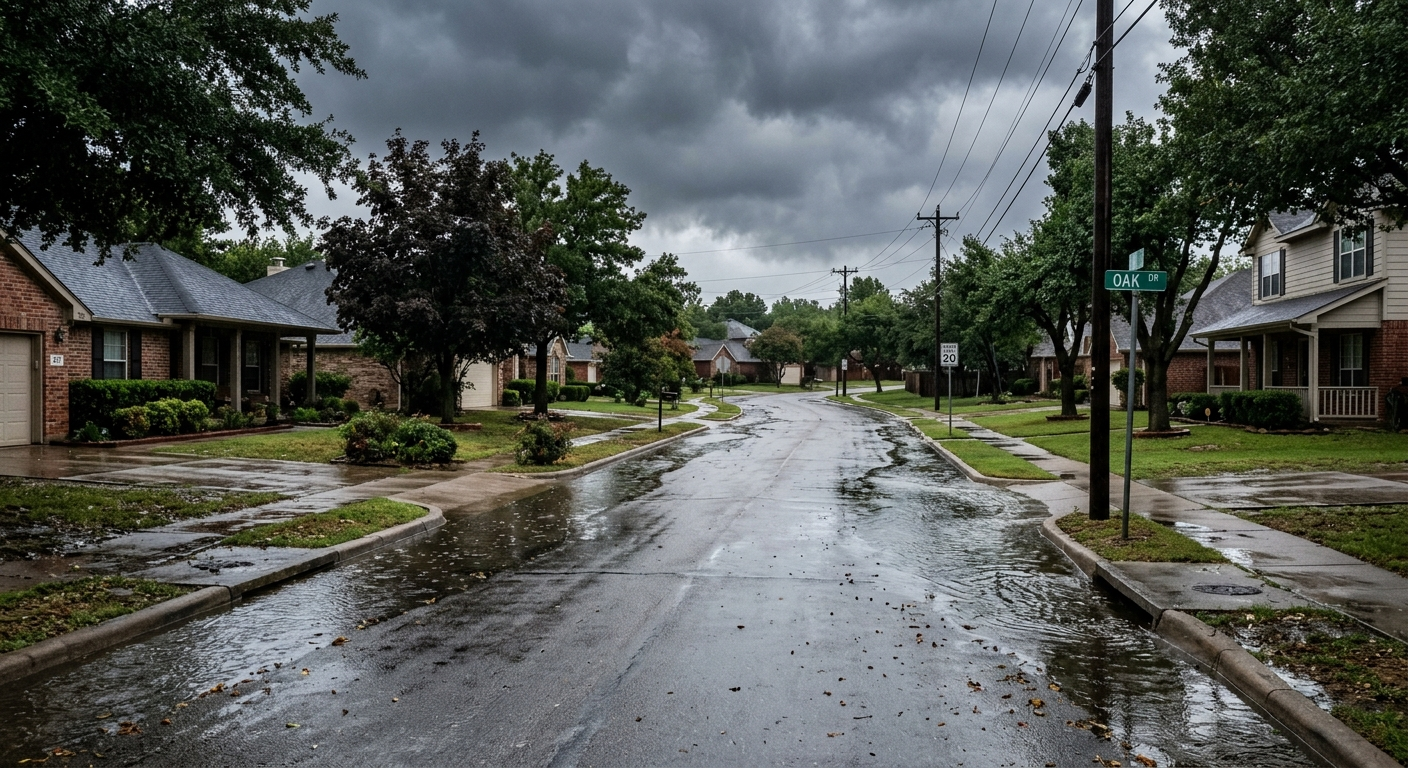
Central Texas is not gentle on RVs. The region around Killeen, Belton, Temple, and Waco sits in a corridor that gets meaningful hail every spring, severe thunderstorms from March through October, and the occasional tornado warning that sends everyone scrambling. An RV, with its large flat roof and fiberglass or aluminum shell, is more vulnerable to hail damage than a traditional stick-built home. A single hailstorm can dimple every panel, crack vents, and destroy the roof membrane on a rig that was in perfect condition the night before.
Comprehensive coverage is the right answer to that specific risk, and it's worth carrying even if your RV is older and paid off. The out-of-pocket cost to repair hail damage on a 30-foot travel trailer can run $5,000 to $15,000 depending on severity. For a closer look at how hail and wind coverage works in this part of the state, the guide on wind and hail coverage in central Texas covers the details RV owners should understand before storm season arrives.
Flooding is another consideration. Texas campgrounds along rivers like the Lampasas, the Leon, and the Little River have a history of flash flooding. Your RV's comprehensive policy should cover flood damage, but read the exclusions carefully. Some policies carve out flood damage, particularly for RVs parked in known flood zones. If you park in low-lying campgrounds regularly, ask your agent directly about flood.
What your RV policy probably does not cover
The coverage gaps in RV insurance are where people get stung. A few of the most common ones:
- Mechanical breakdown : RV insurance is not a warranty. If your slide-out motor fails or your generator dies, that's a maintenance issue and it's not covered. A separate extended warranty or service contract handles mechanical breakdown.
- Wear and tear : roof seals, awning fabric, and tires aged beyond their useful life are maintenance items. Carriers will deny claims where normal aging is the root cause.
- Rodent damage : mice chewing through wiring is surprisingly common in RVs stored for the winter. Most policies exclude this, though a handful of carriers offer an endorsement.
- Mold and mildew : a slow roof leak that leads to a mold problem is often excluded because it's considered a maintenance failure rather than a sudden covered event.
- Attached structures : if you add a screen room, deck, or permanent awning to your RV at a campsite, those additions are often not covered under your RV policy without a specific endorsement.
The overlap between RV coverage and other policies (homeowners, auto, watercraft) creates real confusion. If you're also insuring a boat or a motorcycle for recreational travel, reviewing how your policies interact is time well spent. The guide to boat insurance on Lake Belton walks through a similar set of gap issues for watercraft owners.
Factors that affect your RV insurance rate in Texas
RV insurance pricing is more variable than auto insurance because the vehicles themselves vary so widely. A Class A diesel pusher bought new for $250,000 and an $8,000 pop-up camper are both RVs, but they sit in very different risk categories. Carriers consider:
- Type and class of RV : motorized Class A and B rigs cost more to insure than towable trailers because repair costs are higher and the liability exposure is greater.
- Purchase price and current value : higher replacement cost means higher premiums. This is also where agreed value vs. actual cash value affects pricing.
- How often and how far you travel : full-timers and frequent travelers are rated differently than seasonal users who park the RV from October through March.
- Storage location : a covered, secured storage facility lowers the risk of theft and weather damage compared to storing the RV in a driveway.
- Your driving record : for motorized RVs, your motor vehicle record carries real weight, just as it does for auto insurance.
- Bundling with other policies : carrying your RV policy with the same carrier as your home and auto often earns a multi-policy discount. The post on bundling home and auto insurance in Texas explains how stacking policies typically works and what to watch for.
- Your deductible choice : a higher deductible on comprehensive and collision can meaningfully lower your annual premium, which makes sense if you have the savings to cover that deductible in a bad year.
Storing your RV in central Texas: coverage you need year-round
Many RV owners in the Temple, Belton, and Killeen area use their rigs from spring through fall and store them during winter. Your RV needs coverage while it's sitting in storage, not just when you're towing it down I-35.
Comprehensive-only storage policies (sometimes called "storage coverage" or "lay-up coverage") let you drop collision coverage while the RV is stored but keep comprehensive active for hail, fire, theft, and wind. This is a practical way to reduce premiums during the months you're not using the rig without leaving it completely exposed. Ask your agent specifically about this option. Not every carrier offers it, but many do, and the savings during a five-month storage period can be meaningful.
If you're storing the RV on your property, check whether your homeowners policy provides any coverage for it. Most standard homeowners policies offer limited or no coverage for vehicles, including RVs, beyond a small personal property sublimit. Don't assume the rig is covered because it's parked in your backyard.
Get the right RV coverage with Winkler Insurance Agency
RV insurance in Texas is not a one-size-fits-all product. The right policy for a full-timing couple in a Class A diesel pusher looks completely different from what a weekend camper pulling a 24-foot travel trailer needs. Getting those details wrong costs money, either in premiums paid for coverage that doesn't fit or in claims that don't get paid because of a gap nobody caught.
Winkler Insurance Agency is an independent agency, which means we shop your coverage across multiple carriers rather than locking you into one company's options. We work with clients across central Texas including Killeen, Temple, Belton, Harker Heights, Copperas Cove, Waco, and the surrounding communities. Whether you're buying your first travel trailer or upgrading to a motorhome after years of tent camping, we can walk you through your options and help you find a policy that fits how you actually use your rig.
Call us at 254-771-5600 or reach out through our contact page to get a quote on RV and trailer insurance. We're happy to review your current coverage too, if you already have a policy and want a second set of eyes on it before your next trip.
Get A Quote
At Winkler Insurance Agency, securing your future is simple. Ready to protect what matters? Contact us for a quick quote!
Kelly
Speak to Kelly 24/7
Microphone ready
Start your custom insurance quote
Instant answers to your insurance questions
Schedule appointments or follow-ups
Personal Insurance
From auto and homeowners to renters and umbrella policies, we help protect your family and property. Let’s find coverage that fits your life.
Commercial Insurance
We customize policies for your industry's risks, like general liability and workers' comp, ensuring you can run your business worry-free.