Dwelling Fire vs. Homeowners Insurance: Which Do You Need in Texas?

July 15, 2026

Dwelling fire insurance vs homeowners: what's the real difference?

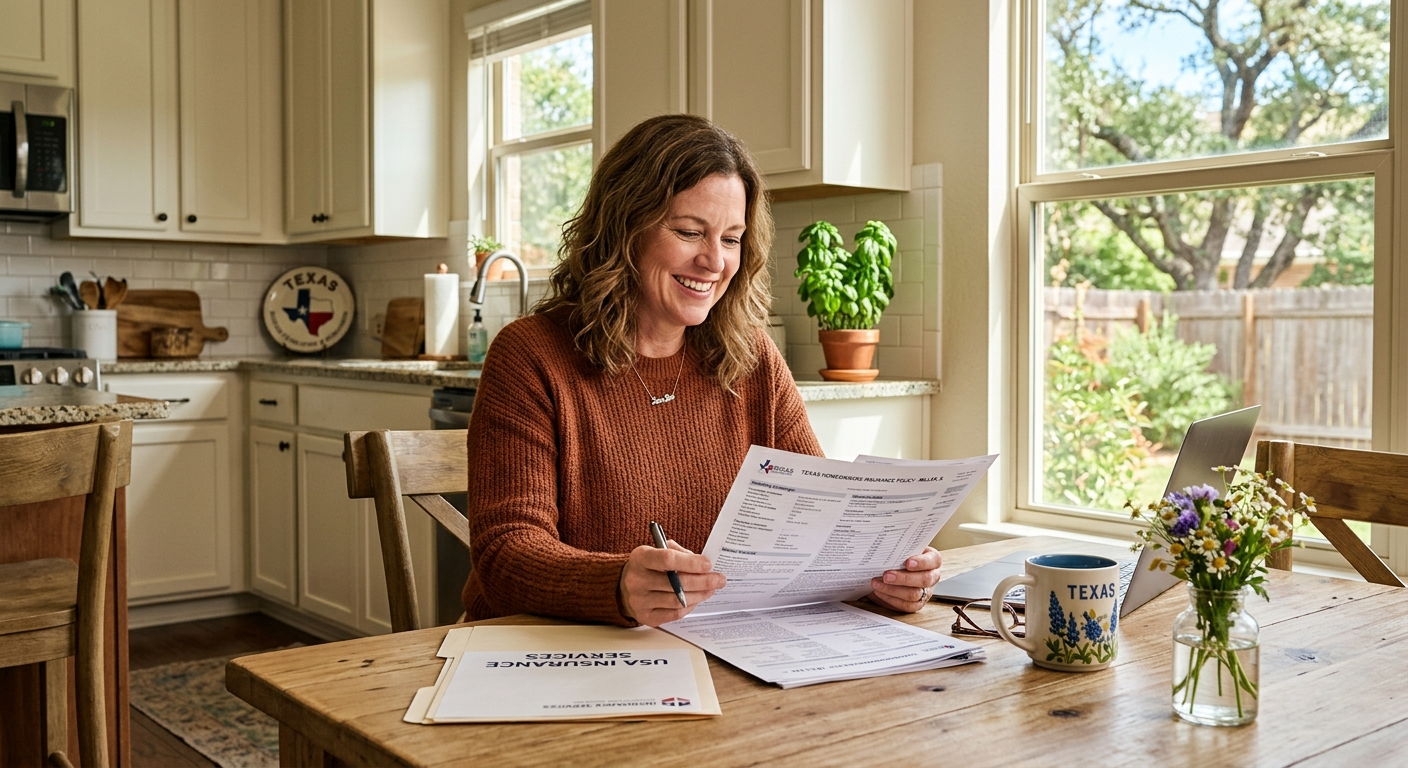
If you own property in Texas, you've likely heard of homeowners insurance. But dwelling fire insurance vs homeowners insurance is a comparison that trips up a lot of property owners, especially those who own rental homes, vacant houses, or older properties that standard carriers won't touch. These two policy types cover some of the same risks, but they are not interchangeable. Picking the wrong one can leave you with a coverage gap that costs you dearly when a claim hits.

In Central Texas, where hail storms roll through Bell and McLennan counties every spring and summer, and where the real estate market has pushed more people into rental property ownership, getting this decision right matters. This post walks through both policy types so you know which one fits your situation.

What homeowners insurance covers

A standard homeowners insurance policy, typically written on an HO-3 or HO-5 form in Texas, is designed for the home you live in as your primary residence. It is the most comprehensive residential property policy available, and it bundles several types of protection together.

  • Dwelling coverage pays to repair or rebuild the physical structure of your home if it's damaged by a covered peril like fire, wind, hail, or lightning.
  • Other structures covers detached garages, fences, and outbuildings on your property.
  • Personal property reimburses you for furniture, electronics, clothing, and other belongings if they're stolen or destroyed.
  • Liability protection pays for legal defense and damages if someone is injured on your property and sues you.
  • Additional living expenses (ALE) covers hotel bills and food costs if your home becomes uninhabitable after a covered loss.

In Texas, homeowners policies are regulated under the Texas Department of Insurance, and most carriers use the standard Texas HO-A, HO-B, or HO-C policy forms. The HO-B is the most common and provides broad open-perils coverage on the dwelling, meaning it covers everything except what's specifically excluded. Texas law also requires carriers to offer windstorm and hail coverage as part of a standard homeowners policy unless the home is located in certain coastal counties that fall under the Texas Windstorm Insurance Association (TWIA). In Central Texas, including Temple, Killeen, Waco, and surrounding areas, wind and hail are generally covered under your standard homeowners policy.

For more detail on how homeowners coverage works in Texas, including how much you should carry, the post how much homeowners insurance do you actually need in Texas is a solid starting point.

What dwelling fire insurance covers

A dwelling fire insurance policy, often written on a DP-1, DP-2, or DP-3 form, covers the physical structure of a property but is intentionally more limited than a homeowners policy. It was built for situations where a full homeowners policy either doesn't apply or isn't available.

  • DP-1 (basic form) is the most stripped-down option. It covers only named perils: fire, lightning, and internal explosion. Windstorm and extended coverage can sometimes be added. It typically pays on an actual cash value (ACV) basis, meaning depreciation is deducted from your claim payout.
  • DP-2 (broad form) adds more named perils including wind, hail, theft, and vandalism. Still a named-perils policy, meaning if the peril isn't listed, it isn't covered. It often pays replacement cost on the dwelling.
  • DP-3 (special form) is the most comprehensive dwelling fire option. It covers the dwelling on an open-perils basis (the same concept as an HO-3 for homeowners) and personal property on a named-perils basis. This is the closest a dwelling fire policy gets to a homeowners policy in terms of dwelling protection.

Dwelling fire policies generally do not include personal property coverage for the owner's belongings, liability protection, or additional living expenses by default. You can sometimes add limited liability as an endorsement, but it isn't built in the way it is with a homeowners policy. That's a meaningful distinction worth understanding before you buy.

You can learn more about dwelling fire policies and what they're built to do on the dwelling fire insurance page.

When you need a dwelling fire policy instead of homeowners

The choice between these two policy types usually isn't a matter of preference. In many cases, the property situation determines which one applies. Below are the most common scenarios where a dwelling fire policy is the right tool.

Rental properties

If you own a home and rent it out to tenants, a standard homeowners policy almost certainly won't cover it. Homeowners policies require the policyholder to occupy the home as a primary residence. When you hand the keys to a tenant, that condition is violated. A DP-3 dwelling fire policy, sometimes called a landlord policy, is built exactly for this use case. The tenant's own belongings are their responsibility to insure through a renters policy, but the structure, your liability as a landlord, and any appliances or furnishings you own inside the property can be protected under a properly structured dwelling fire policy.

If you own rental property in the Temple or Killeen area, Winkler Insurance Agency works with landlords regularly to make sure the right coverage is in place. The landlord insurance page covers this in more detail.

Vacant properties

Texas has a lot of inherited homes, investment properties under renovation, and houses sitting between buyers and sellers. A standard homeowners policy typically excludes coverage after a home has been vacant for 30 to 60 days, depending on the carrier. A vacant property endorsement or a separate dwelling fire policy written for vacant homes fills that gap. If you're holding a property in Waco, Belton, or anywhere in Central Texas while you figure out what to do with it, don't assume your current policy is still active.

Older homes or higher-risk properties

Some properties, particularly older homes with knob-and-tube wiring, aging roofs, or unusual construction, don't qualify for standard homeowners policies in the voluntary market. Carriers may decline them or charge rates that don't make sense. A dwelling fire policy, sometimes written through the Texas FAIR Plan (a state-backed insurer of last resort), can provide at least basic protection on these properties when nothing else is available.

Secondary or seasonal homes

A cabin on Lake Belton or a home used only a few months a year may not qualify as a primary residence for homeowners purposes. Some carriers will write a homeowners policy for a secondary home, but others require a dwelling fire policy. It depends on how often the home is occupied and the carrier's underwriting guidelines.

Side-by-side comparison: key differences at a glance

  • Who it's for. Homeowners policies are for owner-occupants of a primary residence. Dwelling fire policies are for landlords, vacant property owners, and rental or secondary property holders.
  • Personal property coverage. Included in a homeowners policy. Not included by default in a dwelling fire policy (the tenant's own renters policy covers their belongings).
  • Liability coverage. Included in a homeowners policy. Typically not included in a dwelling fire policy, though it may be added by endorsement.
  • Additional living expenses. Included in a homeowners policy. Generally not included in a dwelling fire policy.
  • Perils covered. An HO-B or HO-3 homeowners policy covers the dwelling on an open-perils basis. A dwelling fire policy depends on the DP form: DP-3 is open perils on the dwelling; DP-1 and DP-2 are named perils.
  • Cost. Homeowners policies typically run $1,500 to $3,500 annually for a Central Texas home. Dwelling fire costs vary widely. DP-1 policies can be quite affordable; DP-3 policies on rental homes often run $800 to $2,000 depending on the property.

Those cost figures are rough benchmarks. Your actual premium depends on the home's age, construction, roof condition, location, claims history, and the coverage limits you choose. Texas is not a cheap state to insure property, particularly with hail losses running high in recent years across Bell County and surrounding areas. The post on what drives home insurance costs in Temple, TX digs into those factors in more detail.

Common mistakes Texas property owners make

Carrying the wrong policy type is one of the most common and expensive mistakes property owners make. Here are the scenarios we see most often.

Keeping a homeowners policy on a rental you moved out of

When you buy a new home and decide to rent out your old one instead of selling, your existing homeowners policy no longer applies correctly. The moment a paying tenant moves in, the occupancy requirement is violated. If a fire breaks out and the carrier discovers the home was rented, they can deny the claim. Switching to a DP-3 landlord policy before the tenant moves in is the right move, not an optional one.

Assuming a dwelling fire policy covers the tenant's belongings

A DP-3 policy covers the structure and potentially some landlord-owned contents such as appliances or furnishings you provided. It does not cover what belongs to the tenant. A tenant who wants their belongings protected needs their own renters insurance policy. This is worth communicating upfront. Some landlords in Central Texas now require proof of renters insurance as a lease condition, which protects everyone involved.

Going with a DP-1 when a DP-3 is available

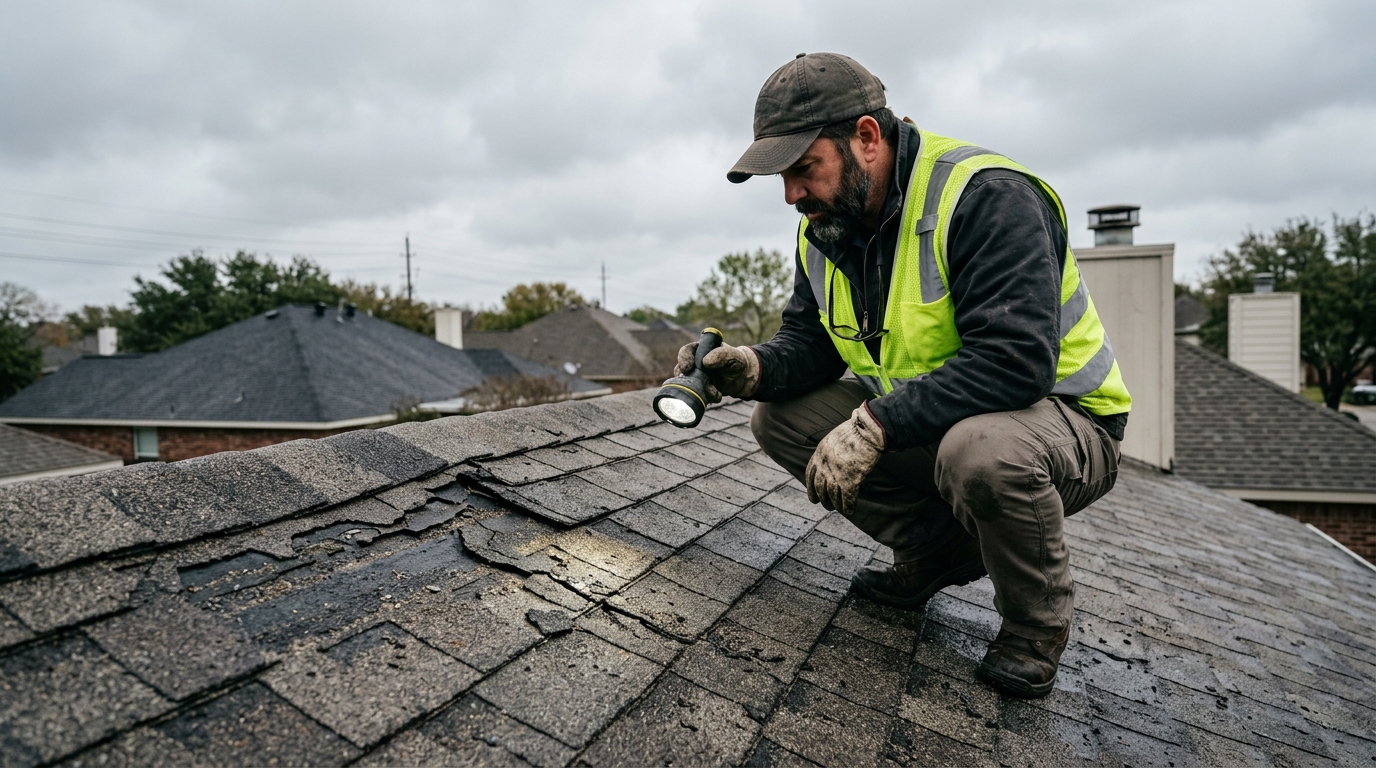
A DP-1 is the cheapest option, but it pays claims on an actual cash value basis and only covers a handful of perils. A five-year-old roof on a rental home might be depreciated down to 60 cents on the dollar when a hail storm destroys it. In Central Texas, where hail is a consistent and costly risk, a DP-3 policy that pays replacement cost is almost always the better investment. The premium difference is usually not as large as people expect once they compare quotes.

Letting a house go vacant without adjusting coverage

If you inherit a home in Troy or Cameron and plan to sell it in six months, check your policy immediately. Most homeowners policies have a vacancy clause that voids coverage after the home sits empty for 30 to 60 days. A vacant property endorsement or a DP policy written for vacant homes keeps you protected while you work through the sale process.

Flood is not covered by either policy

This is worth stating plainly because it surprises people regularly. Neither a homeowners policy nor a dwelling fire policy covers flood damage. If a creek rises and water comes through the front door, that's a flood claim, and flood claims require a separate flood insurance policy, typically written through the National Flood Insurance Program (NFIP) or a private flood carrier. If the property you're insuring is in a flood zone or near a creek, river, or low-lying area in Central Texas, flood insurance deserves a serious look. The flood insurance page has the details.

Which policy is right for your Texas property?

If you live in the home as your primary residence, you want a homeowners policy. If you rent it out, use it seasonally, or it's sitting vacant, you need a dwelling fire policy structured for that situation. Beyond that general rule, the right answer depends on the property's age, your risk tolerance, what you need covered, and what Texas carriers will actually write for that property type.

An independent agency can help here. Because independent agents aren't tied to a single carrier, they can shop your property across multiple companies to find the right form, the right coverage level, and the best premium for your situation.

Talk to Winkler Insurance Agency about your property coverage

Winkler Insurance Agency is an independent insurance agency serving Temple, Killeen, Waco, Belton, Harker Heights, Copperas Cove, and communities across Central Texas. Because we work with multiple carriers, we compare options on your behalf and place you in the policy that actually fits what you own, whether that's a standard homeowners policy, a DP-3 for your rental property, or something in between.

If you have a property and aren't sure whether your current coverage matches the situation, that's exactly the kind of question we can answer. Reach out to us at 254-771-5600 or visit our contact page to get started. We'll take a look at what you have and make sure you're protected the right way.

Telephone icon with speech bubble.

Get A Quote

At Winkler Insurance Agency, securing your future is simple. Ready to protect what matters? Contact us for a quick quote!

Black telephone handset icon.

Kelly

Speak to Kelly 24/7

Microphone icon.

Microphone ready


Black checkmark.

Start your custom insurance quote

Black checkmark on a white background.

Instant answers to your insurance questions

Black check mark.

Schedule appointments or follow-ups

Person holding a shield with a check mark, representing protection or security.

Personal Insurance

From auto and homeowners to renters and umbrella policies, we help protect your family and property. Let’s find coverage that fits your life.

Buildings, coins with dollar sign, and shield with checkmark; financial security concept.

Commercial Insurance

We customize policies for your industry's risks, like general liability and workers' comp, ensuring you can run your business worry-free.

Share this article

Recent Posts

Pontoon boat on calm water at Lake Belton Texas on a sunny afternoon with green shoreline in the background
By Winkler Insurance Agency July 12, 2026
Learn what boat insurance in Texas covers, how much it costs, and what Lake Belton owners need to know. Get local tips and compare quotes with Winkler Insurance
Family relaxing in a Texas backyard with a swimming pool, representing personal liability risks covered by umbrella insurance
By Winkler Insurance Agency July 9, 2026
Learn when your home and auto limits fall short and how personal umbrella insurance in Texas protects your assets. Get a quote from Winkler Insurance Agency
Large hailstones covering a suburban Texas home's roof and lawn after a severe Central Texas thunderstorm
By Winkler Insurance Agency July 6, 2026
Learn how hail insurance works in Texas, what your deductible really means, and how Central Texas homeowners can get the right wind and hail coverage.
Construction workers reviewing blueprints at a Texas job site with framed wooden walls in the background
By Winkler Insurance Agency July 3, 2026
Texas contractors: learn what general liability insurance covers, how much you need, and what it costs. Get expert help from Winkler Insurance Agency in
A local insurance agent sitting across a desk from a couple, reviewing policy documents in a Central Texas office
By Winkler Insurance Agency June 30, 2026
Learn how independent insurance agents differ from captive agents in Texas and why it matters for your coverage, rates, and claims. Compare your options today.
A Texas family sitting together at a kitchen table reviewing life insurance documents with a local agent
By Winkler Insurance Agency June 27, 2026
Searching for life insurance near me in Texas? Winkler Insurance Agency compares top carriers to find the right coverage for your family. Get a free quote
Small business owner reviewing insurance documents at a desk inside a retail shop in Central Texas
By Winkler Insurance Agency June 24, 2026
Learn what a business owners policy in Texas covers, who qualifies, what it costs, and where the gaps are. Get expert guidance from Winkler Insurance Agency.
Living room of a neatly furnished Temple Texas apartment with natural light coming through window blinds
By Winkler Insurance Agency June 21, 2026
Learn what renters insurance covers in Temple, TX, how much it costs, and local risks to know. Get a fast quote from Winkler Insurance Agency at 254-771-5600.
Brick ranch-style home on a quiet street in Temple, Texas on a partly cloudy spring afternoon
By Winkler Insurance Agency June 18, 2026
Find out what drives home insurance costs in Temple, TX. Winkler Insurance Agency compares top carriers to get you the right coverage at the best rate.
A Texas highway stretching toward a stormy Central Texas horizon with a pickup truck in the foreground
By Winkler Insurance Agency June 15, 2026
Learn what drives auto insurance rates in Texas, from your driving record to your ZIP code. Winkler Insurance Agency compares carriers to find your best rate.