
Subcontractor Liability Insurance in Texas: What Generals and Subs
What subcontractor liability insurance in Texas actually covers
Subcontractor liability insurance in Texas sounds straightforward until a claim lands on your desk and you realize the gap between what you assumed and what your policy says. Whether you are a general contractor hiring subs or a plumber, electrician, or framer working under a GC, understanding how liability flows on a Texas job site can prevent a five- or six-figure loss that nobody planned for.
Texas construction is active across Central Texas. From new residential builds in Belton and Temple to commercial projects pushing into Killeen and Waco, more contracts are being signed and more subcontractors are on job sites than ever. With that volume comes exposure, and the rules about who owes what coverage to whom are more specific than most people expect.
General liability vs. subcontractor liability: knowing the difference
A standard commercial general liability (CGL) policy covers bodily injury and property damage that your operations cause to third parties. For a general contractor, that sounds like a complete safety net until the exclusions apply. Most CGL policies contain a "subcontractor exclusion" or similar language that limits or eliminates coverage for work performed by, or damage caused by, subcontractors you hire.
The practical result: if a subcontractor you hired causes property damage and you have not required them to carry their own liability policy or name you as an additional insured, your own policy may deny the claim, leaving you personally responsible.
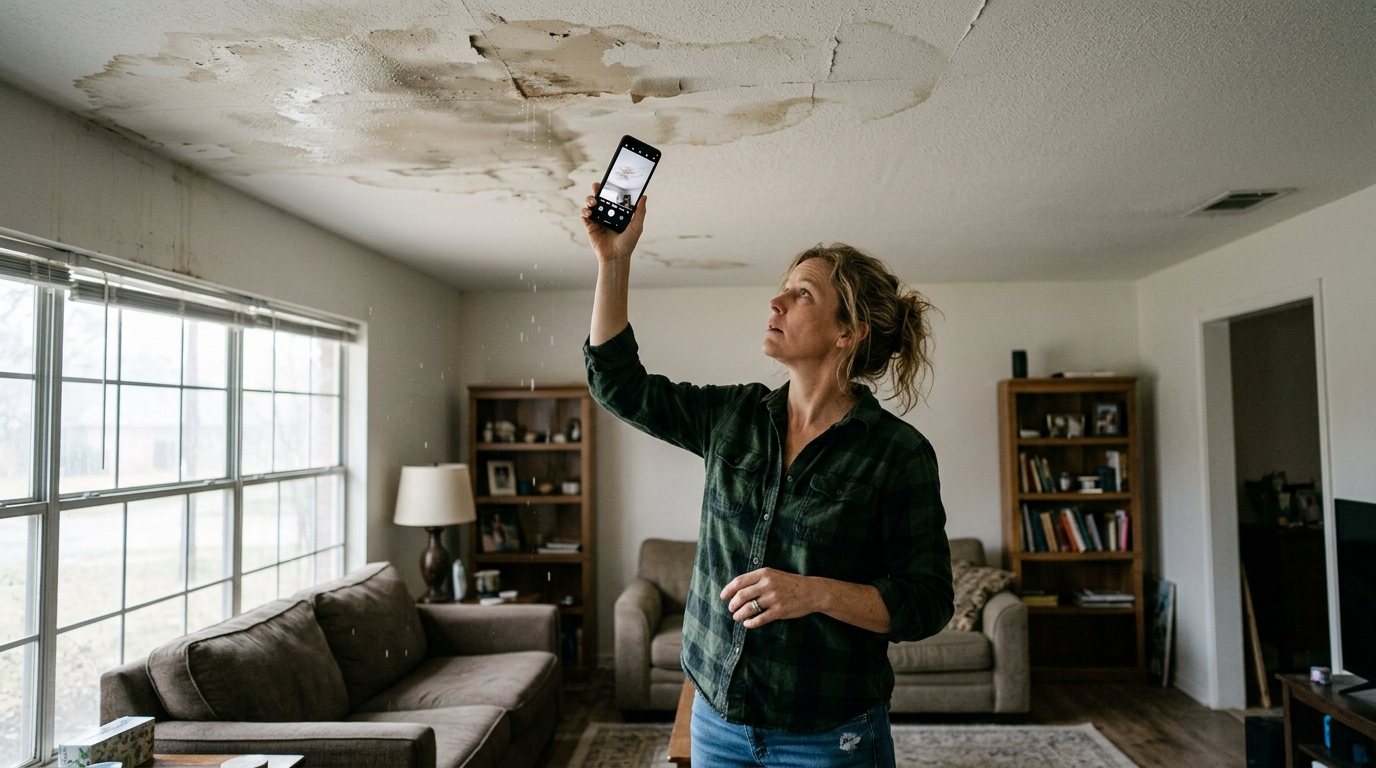
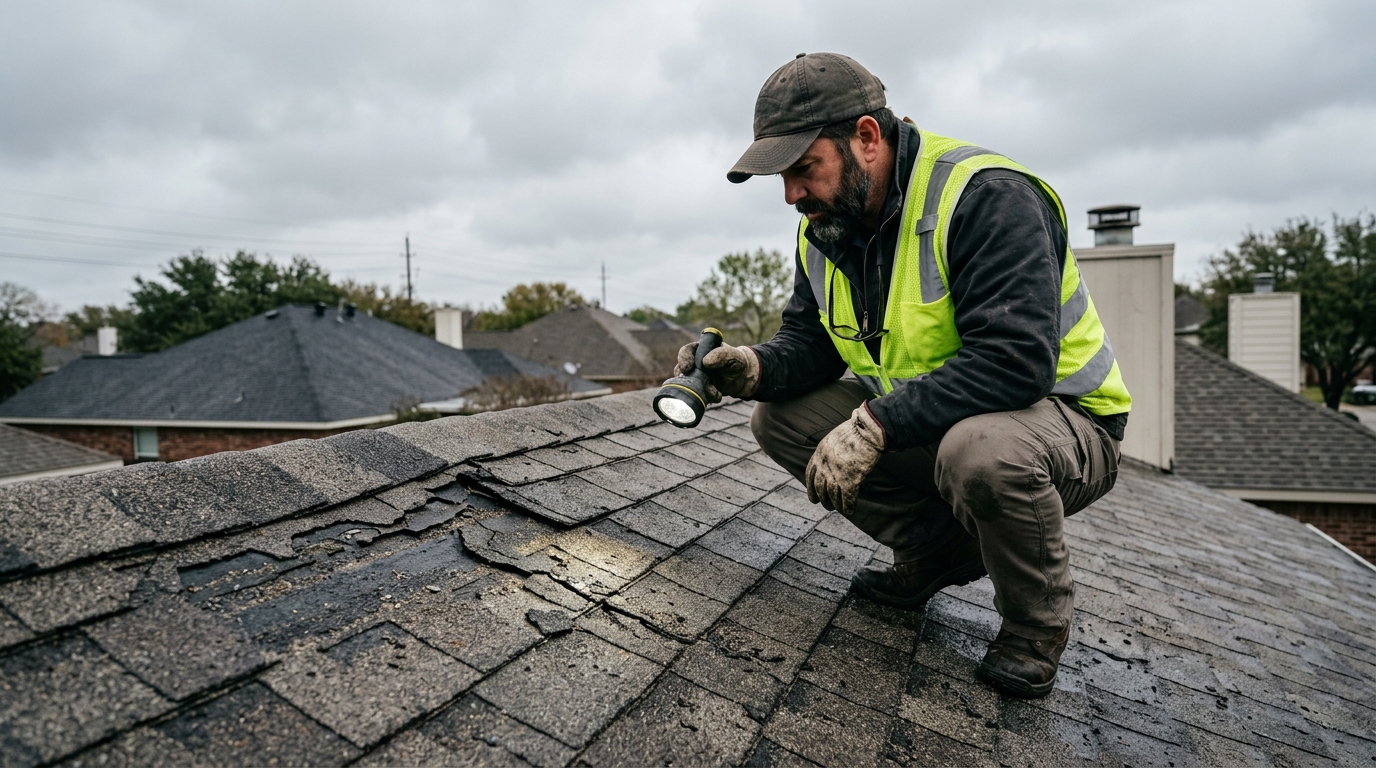
Subcontractors face the mirror image of this problem. A sub's CGL policy will typically cover damage that sub causes during operations. But once the job is complete, "completed operations" coverage becomes the issue. If a roof installed in March starts leaking the following January and causes interior damage, the question is whether the sub's policy still responds. Many low-cost policies carry very low completed-operations limits or exclude it almost entirely.
Coverages every subcontractor should carry in Texas
- Commercial general liability , minimum $1,000,000 per occurrence / $2,000,000 aggregate is the floor most GCs in Texas require, and some commercial projects demand higher.
- Completed operations coverage , extends liability protection after the job is finished; critical for trades whose defects may not show up for months.
- Additional insured endorsements , allows the GC (and sometimes the property owner) to be listed on the sub's policy so claims can be tendered to the sub's carrier first.
- Contractual liability coverage , covers indemnification clauses the sub signs in the subcontract agreement; most CGL policies include it as standard, but the scope matters.
- Workers compensation , Texas is the only state where private employers can legally opt out of workers comp, but most GCs and project owners require subs to carry it regardless.
Texas-specific rules generals and subs need to know
Texas follows a "proportionate responsibility" system under the Texas Civil Practice and Remedies Code, Chapter 33. Fault is allocated among all parties, including subcontractors, rather than falling entirely on whoever has the deepest pockets. In construction disputes, this matters: a homeowner or property owner may sue the GC, who then impleads the sub, and a jury allocates percentages of fault. If a sub carries inadequate limits, the GC may still absorb a larger share than expected if the sub cannot satisfy the judgment.
Texas does not require a contractor license at the state level for most trades (electrical and plumbing have separate licensing boards), but cities like Killeen, Temple, and Waco have local permitting requirements that often carry an implicit expectation of adequate insurance. If a sub pulls a permit and causes damage, the city can use that license record against them in enforcement actions.
Indemnification clauses in Texas subcontracts are governed by the Texas Anti-Indemnity Act (Chapter 151, Texas Insurance Code). This law limits how broadly a GC can shift liability to a sub. A GC cannot require a sub to indemnify the GC for the GC's own negligence unless the sub's policy is specifically endorsed to do so, and even then the scope is limited. This is where having an agent review the actual subcontract language matters: a clause that looks iron-clad may be unenforceable under Texas law.
Workers compensation and the non-subscriber issue
Texas's opt-out rule creates a trap for subcontractors. If a sub does not carry workers compensation and one of their employees is injured on the GC's job site, the GC can face direct liability claims from that employee, and the GC's own workers comp policy will not automatically cover employees of a separate subcontracting entity. Many GCs now require subs to provide a workers comp certificate of insurance (COI) before work begins. For more detail on how the opt-out system works, our post on Texas workers compensation and the opt-out rule breaks it down in plain terms.
What generals need to require from every subcontractor
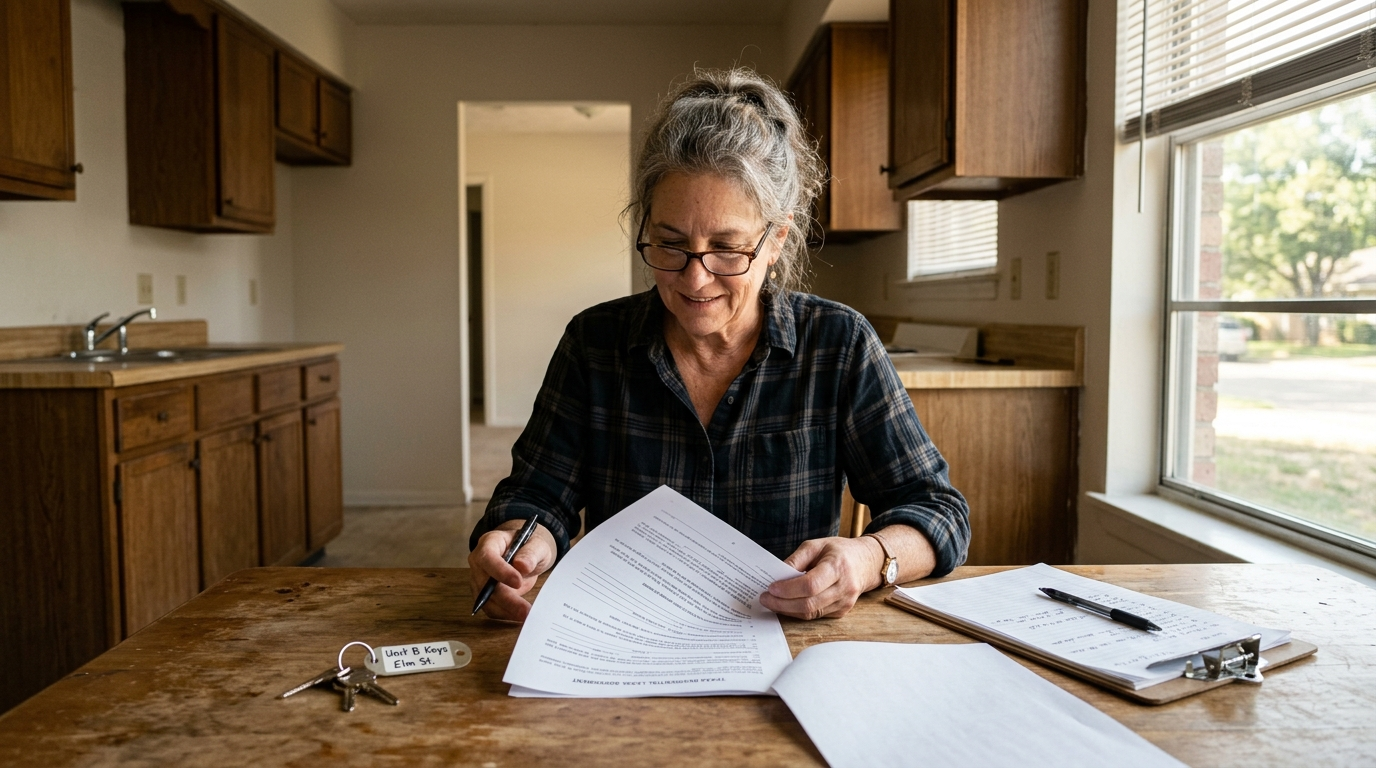
If you are a general contractor in Texas, your subcontract agreements should address insurance requirements clearly and specifically. Verbal assurances are not insurance. A solid subcontractor insurance requirement section should include:
- Minimum CGL limits , spell out per-occurrence and aggregate limits in dollar amounts, not vague language like "adequate coverage."
- Additional insured status , require the sub to name your company as an additional insured on both ongoing operations and completed operations, not just one.
- Certificate of insurance before work begins , require a COI from the sub's broker, not just a screenshot or email summary.
- Waiver of subrogation , prevents the sub's carrier from coming back against you after paying a claim where both parties share some fault.
- Notice of cancellation , require that the sub's carrier notify you if the policy lapses or is cancelled mid-project.
- Workers comp certificate , especially important for subs who have employees rather than working solo.
Generals should also carry their own commercial umbrella policy that extends above their CGL and auto limits. On larger commercial projects in Central Texas, a $1,000,000 CGL limit can be exhausted surprisingly fast if a serious injury occurs. See our guide on commercial umbrella insurance in Texas for context on how those limits stack.
What subcontractors are often getting wrong
The most common mistake subs make is buying the cheapest CGL policy that meets the minimum contract requirement and assuming that is enough. Here is what that often misses:
Occurrence vs. claims-made policies. Most Texas contractors should be on an occurrence-based CGL policy. An occurrence policy covers incidents that happen during the policy period, regardless of when the claim is filed. A claims-made policy only covers claims filed while the policy is active, which means if your policy lapses after a project wraps and a claim comes in two years later, you have no coverage. Some low-cost policies sold to subs are claims-made forms, and the sub does not realize it until a claim is denied.
Low completed-operations limits. A trade sub might carry $300,000 in completed-operations coverage when the contract requires $1,000,000. The COI might still be accepted if the reviewer does not catch the distinction between aggregate limits and completed-operations sub-limits. That gap sits quietly until a post-completion claim arrives.
Exclusions for specific trades. Some general liability policies for contractors exclude certain high-risk operations, such as roofing, underground work, or work above a set height. A framing sub who also does occasional roofing work might find that the roofing is excluded from their policy even though the rest of their work is covered.
No separate tools and equipment coverage. CGL does not cover your own tools or equipment. A separate inland marine or tools-and-equipment policy handles that. For subs with significant tool inventory or leased specialty equipment, this coverage is worth adding.
Builders risk and how it interacts with subcontractor liability
On many Texas construction projects, the GC or owner purchases a builders risk policy that covers the structure during construction for losses like fire, windstorm, or theft. Subs often assume that builders risk protects them if they accidentally damage work in progress. That assumption is usually wrong. Builders risk covers the structure itself, not liability for causing damage to it. A sub's CGL is the correct policy for damage the sub causes to existing or in-progress work.
The interaction between builders risk and CGL matters in Central Texas, where hail and severe weather can damage a structure mid-project. If hail hits an unfinished roof, that is a builders risk claim. If a roofing sub leaves materials unsecured and wind damage follows, the line between a builders risk event and a liability claim becomes more complex. Our detailed post on builders risk insurance for Texas construction projects covers how those policies work and who should carry them.
How much does subcontractor liability insurance cost in Texas?
Rates vary based on trade, annual revenue, claims history, and the specific coverages requested. Reasonable ballpark figures for common trades in Central Texas:
- Painting and drywall subs , often $800 to $1,800 per year for a $1M/$2M CGL with completed operations.
- Plumbing subs , typically $1,500 to $3,500 per year, higher because water damage claims are frequent and costly.
- Electrical subs , generally $1,200 to $3,000 per year depending on commercial vs. residential work mix.
- Roofing subs , among the highest rates, often $3,000 to $8,000 or more per year, because roofing carries significant fall and completed-operations risk.
- Framing and general carpentry , usually $1,500 to $4,000 per year.
These are rough ranges, not quotes. An independent agent can compare multiple carriers side by side for your specific trade and project mix, which often produces better rates than going directly to a single carrier. If you are also shopping for general liability coverage for your contracting business, that conversation is a natural starting point.
Get the right coverage before the next project starts
Winkler Insurance Agency is an independent agency serving contractors, subcontractors, and business owners across Central Texas, including Temple, Killeen, Belton, Waco, and the surrounding communities. Being independent means we are not locked into one carrier. We compare rates and coverage terms across multiple insurers to find what fits your trade, your contracts, and your budget.
If you are a general contractor who needs help reviewing what to require from subs, or a subcontractor trying to determine whether your current policy actually covers you, we are glad to take a look. Call us at 254-771-5600 or reach out through our contact page to get started. Getting coverage in place before the contract is signed is always easier than sorting it out after a claim.
Get A Quote
At Winkler Insurance Agency, securing your future is simple. Ready to protect what matters? Contact us for a quick quote!
Kelly
Speak to Kelly 24/7
Microphone ready
Start your custom insurance quote
Instant answers to your insurance questions
Schedule appointments or follow-ups
Personal Insurance
From auto and homeowners to renters and umbrella policies, we help protect your family and property. Let’s find coverage that fits your life.
Commercial Insurance
We customize policies for your industry's risks, like general liability and workers' comp, ensuring you can run your business worry-free.