
How to Compare Insurance Quotes in Texas: Beyond the Price Tag
How to compare insurance quotes in Texas the right way
If you've ever stacked up a handful of insurance quotes and wondered why the prices are so far apart, you're not alone. Comparing insurance quotes in Texas is not as simple as picking the lowest number on the page. Two quotes can look identical on paper and still leave you with very different protection when something actually goes wrong. Below is what to look at, what to ignore, and how to make sure you're comparing apples to apples.
Why Texas makes comparison shopping more complicated
Texas is one of the most open insurance markets in the country. Carriers set their own rates with relatively little state-mandated standardization compared to places like California or New York. That freedom encourages competition, but it means the same homeowner in Temple or Killeen can receive quotes that differ by hundreds of dollars a year, for policies that are genuinely different products.
Texas also has a few quirks worth knowing before you start shopping:
- Windstorm and hail deductibles. Many Texas home policies carry a separate percentage-based deductible (often 1 to 2 percent of the dwelling value) for wind and hail events. A policy priced $400 cheaper per year may carry a deductible $6,000 higher than the next quote. That trade-off deserves a conversation, not a click.
- Non-admitted carriers. Some carriers writing Texas business are non-admitted, meaning they operate outside the Texas Department of Insurance's guaranty fund. If they become insolvent, you could be left without coverage or a safety net. Always ask if a carrier is admitted in Texas.
- Credit scoring. Texas allows carriers to use credit-based insurance scores. The same driver or homeowner can receive meaningfully different rates from different carriers based on credit history alone, which is one reason shopping multiple markets matters so much here.
Start with the same base assumptions across every quote
The most common mistake people make when comparing insurance quotes is letting each carrier quote on slightly different terms. One agent quotes a $250,000 dwelling with a $1,000 deductible; another quotes $280,000 with a $2,500 deductible. The second premium looks lower until you realize you'd pay $1,500 more out of pocket on any claim.
Before you request any quote, write down these five things and keep them consistent across every carrier:
- Coverage limits. Dwelling, personal property, liability. Use the same numbers everywhere. For auto, use the same bodily injury, property damage, and uninsured motorist limits.
- Deductibles. All of them, including the wind/hail deductible on homeowners policies.
- Optional coverages. Replacement cost vs. actual cash value on personal property, water backup coverage, equipment breakdown. Include or exclude the same items in every quote.
- Policy period. All quotes should be for the same 12-month period.
- Effective date. Rate changes happen regularly in Texas; a quote dated last month may no longer be valid.
If you're comparing homeowners insurance specifically, pay close attention to whether each quote uses replacement cost value or actual cash value for the dwelling itself. ACV policies can look $200 to $400 cheaper per year but will only pay depreciated value after a major loss.
What the price doesn't tell you
The premium is the most visible number, but it tells you very little about the carrier behind it. Dig into the following before you sign anything.
Financial strength ratings
Check each carrier's AM Best rating. A rating of A- or better means the company has the financial reserves to pay large volumes of claims, which matters a great deal after a major hail event or hurricane affects a wide area of central Texas. A carrier rated B or lower may be fine in a quiet year and struggle badly after a catastrophe.
Claims handling reputation
Texas has no shortage of major weather events. Hailstorms regularly hit the I-35 corridor from Waco up through Temple and Killeen. When a storm damages 10,000 homes in a week, how a carrier prioritizes and processes claims varies considerably. Check the Texas Department of Insurance's complaint index for each carrier you're considering. A high complaint ratio relative to market share is a red flag even if the premium is attractive.
Exclusions buried in the policy language
Texas homeowners policies do not automatically include flood coverage. They also commonly exclude or sub-limit mold, foundation movement, and certain types of water damage. Before you assume a policy covers something, look for it in the policy form. If an agent can't show you the exclusions in writing, that's a problem. For a closer look at flood coverage specifically, the flood insurance guide for central Texas breaks down what a standard homeowners policy leaves out and what a separate flood policy actually covers.
Replacement cost vs. actual cash value on personal property
A five-year-old laptop is worth maybe $200 at actual cash value. A replacement cost policy would pay closer to what it costs to buy a comparable laptop today. That difference, multiplied across everything in your home, adds up quickly. Check which basis every quote uses.
Auto insurance quotes in Texas: what to watch for
Texas requires a minimum of 30/60/25 liability coverage (that's $30,000 per person, $60,000 per accident for bodily injury, and $25,000 for property damage). Those minimums have not kept pace with the cost of a serious accident, and a carrier willing to quote only state minimums is offering you the cheapest legal product, not necessarily a good deal.
When comparing auto quotes, make sure you're evaluating:
- Uninsured/underinsured motorist coverage. Texas consistently ranks among the states with the highest rates of uninsured drivers. UM/UIM coverage is not required in Texas but is essential protection. Check that each quote includes the same UM/UIM limits.
- Comprehensive and collision deductibles. A $500 vs. $1,000 deductible on a vehicle worth $18,000 changes your premium noticeably and your out-of-pocket exposure significantly.
- Rental reimbursement and roadside assistance. These low-cost add-ons are included in some quotes and priced separately in others. Standardize them before comparing totals.
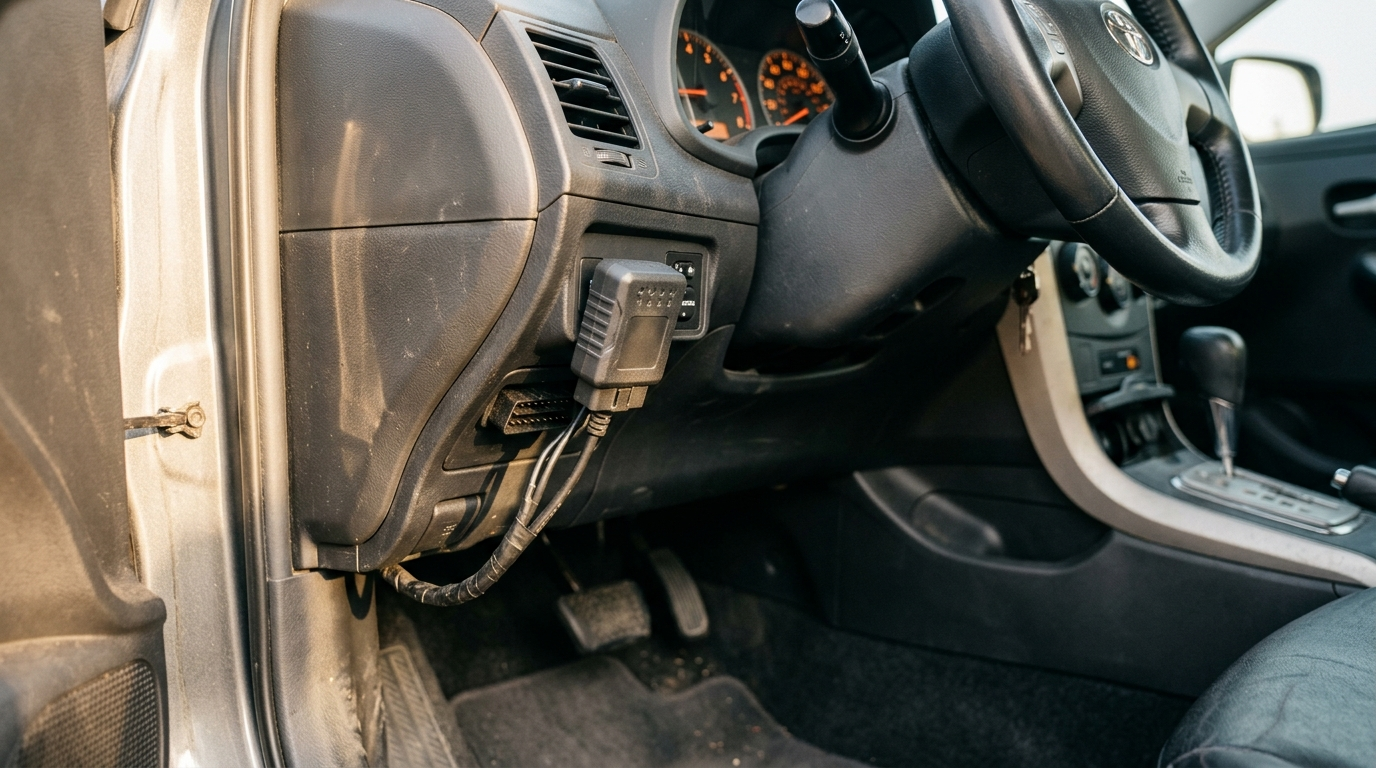
- Usage and telematics programs. Some carriers offer significant discounts if you allow them to monitor driving behavior through a phone app or plug-in device. These can be worthwhile, but they're not comparable to a standard base rate.
For Texas-specific context on minimum coverage requirements and what they actually mean in a real accident, see our breakdown of Texas auto insurance minimums.
Discounts: where quotes can diverge without you realizing it
One carrier may automatically apply a discount you're eligible for. Another may require you to ask. A third may not offer it at all. Common discounts in Texas that are easy to miss include:
- Multi-policy (bundling). Placing your home and auto with the same carrier typically saves 10 to 20 percent. If one quote includes bundling and another doesn't, they aren't comparable.
- Protective device discounts. Central station alarm systems, smart water shutoffs, and impact-resistant roofing can each reduce your homeowners premium. A carrier that better recognizes these upgrades may produce a lower quote for the same house.
- Claims-free history. Most carriers reward five or more years without a claim. If you qualify, make sure every quote reflects it.
- New purchase discount. Buying a home? Some carriers offer a discount for new homeowners in the first year of ownership.
- Loyalty discounts. These can cut both ways. An existing carrier may offer loyalty pricing to keep your business, or they may have quietly stopped being competitive. In the Texas market, where rates shift frequently, complacency is expensive.
A more complete look at available savings is in our post on home insurance discounts in Texas.
The case for working with an independent agency
A captive agent works for one company. An independent agency works for you. That distinction is structural, not a marketing line. When you call a captive agent, they have one set of rates and one product to offer. When you work with an independent agency, they can run your information through multiple admitted carriers at once and present options that have already been standardized for comparison.
In Texas, carrier pricing can swing dramatically based on your zip code, proximity to a floodplain, roof age, or credit profile. A carrier that's very competitive in Waco may rate up aggressively in Copperas Cove because of local loss history. You won't know that from one quote. An independent agent with access to eight or ten carriers will.
This matters especially when your situation doesn't fit neatly into a standard application. Military families in the Killeen and Fort Cavazos area, landlords with multiple rental properties, and self-employed contractors often have coverage needs that one carrier won't handle cleanly. Shopping across the market on your behalf reduces the chance of an important gap going unnoticed.
When to re-shop your coverage
Comparing quotes isn't just a task for when you're buying something new. Texas insurers file rate changes with the Texas Department of Insurance regularly, and your renewal premium may have little to do with your actual risk profile. A good rule of thumb: shop your policies every two to three years at minimum, and immediately after any of these events:
- You buy or sell a home
- You add a teen driver to your auto policy
- You start a business or side operation from home
- Your home's insured value has not kept up with rising construction costs
- Your renewal premium jumps more than 10 percent without a claim
- You pay off your mortgage and the lender's coverage requirements no longer dictate your policy terms
Get a comparison that actually helps you
Winkler Insurance Agency is an independent agency serving Temple, Killeen, Waco, Belton, Harker Heights, Copperas Cove, Round Rock, and the surrounding communities across central Texas. That independence means we shop your coverage across multiple admitted carriers, line up the quotes on the same terms, and walk you through what's actually different so you can make a decision based on real information rather than a number on a screen.
If you want a straightforward comparison, call us at 254-771-5600 or reach out through our contact page and we'll get started. There's no pressure and no obligation, just a genuine look at what the market has for you right now.
Get A Quote
At Winkler Insurance Agency, securing your future is simple. Ready to protect what matters? Contact us for a quick quote!
Kelly
Speak to Kelly 24/7
Microphone ready
Start your custom insurance quote
Instant answers to your insurance questions
Schedule appointments or follow-ups
Personal Insurance
From auto and homeowners to renters and umbrella policies, we help protect your family and property. Let’s find coverage that fits your life.
Commercial Insurance
We customize policies for your industry's risks, like general liability and workers' comp, ensuring you can run your business worry-free.